

Close Menu
    Nspire Magazine – Pacific Northwest Living
    Subscribe to Nspire Magazine
    • Adventure
      1. Hiking
        • Oregon
        • Montana
        • Washington
        • Idaho
      2. Travel
      Featured
      March 17, 20250

      Grizzly

      Recent
      March 14, 20260

      Tamanawas Falls

      March 13, 20260

      Hiking in Switzerland

      March 3, 20260

      Living the River Life

    • Food
      1. Dining Guide (curbside)
      2. Recipes
      3. Ingredients
      Featured
      March 19, 20250

      Cocoa Rubbed Steaks with Bacon Brussels Sprouts

      Recent
      March 13, 20260

      Apple Cider Whiskey Warmer

      March 10, 20260

      The Great Western Huckleberry

      March 10, 20260

      Pork Loin with Huckleberry

    • Home
      1. Builders Guide
      2. Organic Gardening
      3. Real Estate
      Featured
      March 20, 20250

      Modern Meets Rustic in this Stunning Black Rock Home

      Recent
      March 13, 20260

      Special Touches for ‘Forever Home’

      March 10, 20260

      Garden to Table

      March 3, 20260

      Charming Greenstone Farmhouse

    • Lifestyle
      1. Arts
      2. Conservation
      3. Fitness
      4. Nspired
      Featured
      March 20, 20250

      Weighing In

      Recent
      March 13, 20260

      Wildfire and our forests

      March 12, 20260

      This Old House Adam Schluter

      March 10, 20260

      North Idaho Women

    • Expert Tips
    • Gear
    • Events
      • Calendar of Events
      • Nspire Wedding
    • Subscribe
    • Group Tours
      • Charter Bus
    0 Shopping Cart
    Nspire Magazine – Pacific Northwest Living
    0 Shopping Cart
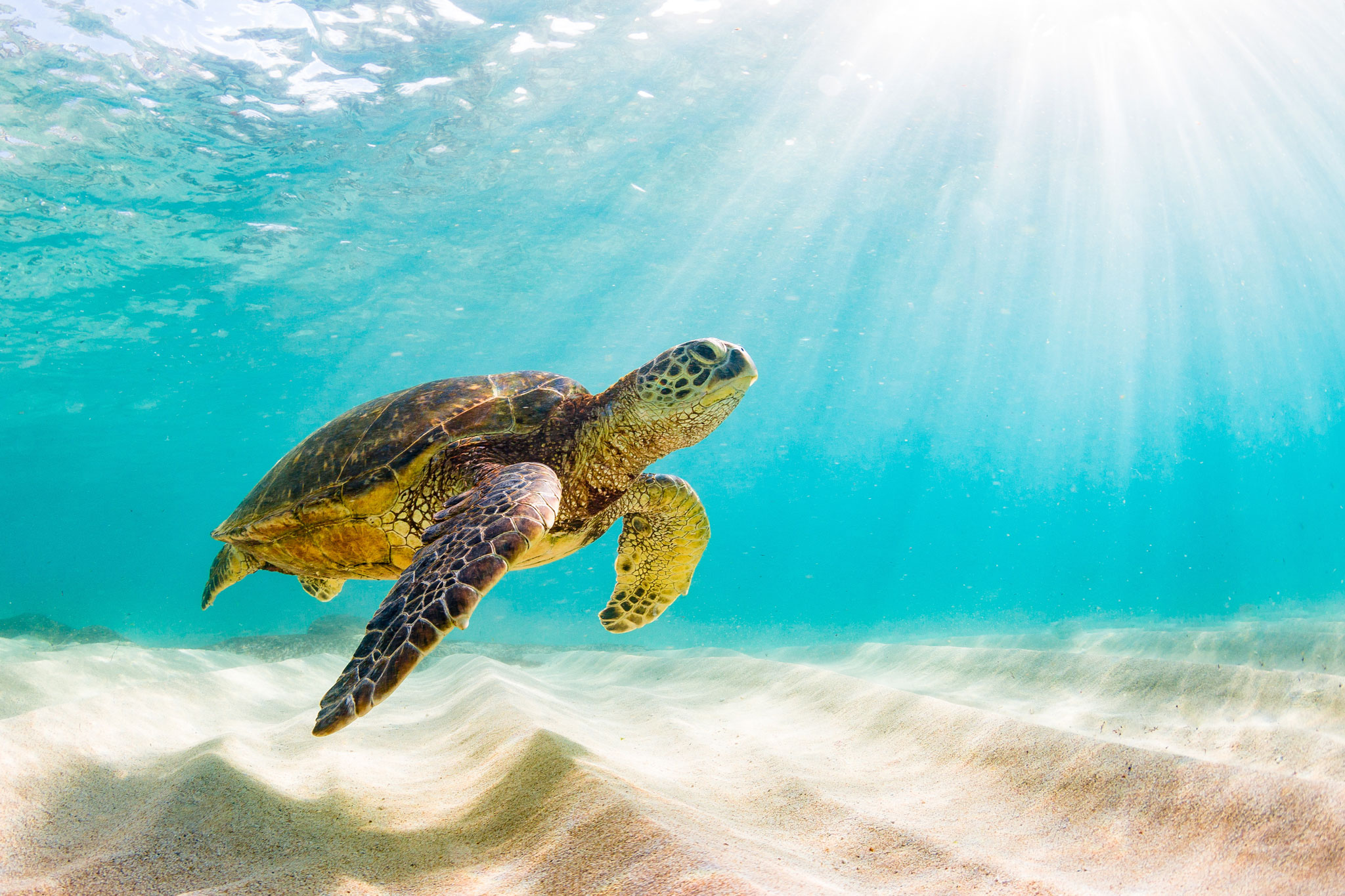
    The ecosystem of the world ocean supports 80% of plant and animal diversity on Earth.

    Addressing the Life of Our Oceans

    0
    By Nspire Magazine on August 16, 2022 Conservation

    Growing up in southern Texas, I used to spend a lot of time during the summers at South Padre Island playing in the waves, watching sea urchins crawling on the jetty, and chasing seagulls up the beach. Although people like to remind me that it was only the Gulf of Mexico, it was my ocean and instilled in me a deep love of the smells, sights and sounds of the world ocean, a mysterious body of briny water that covers over 70% of the Earth’s surface. 

    The ecosystem of the world ocean supports 80% of plant and animal diversity on Earth. Its H2O supplies half of our atmosphere’s oxygen, and it is a source of food and sustenance not only for humans but also plants and animals on and off land. Although we can’t drink its salty water, its expanse is ranked seventh in the world’s top economies, with an annual output of goods, jobs, and services estimated around $2.5 trillion dollars annually. The ocean economy, or “blue economy” incorporates fishing, fisheries, aquaculture, maritime transport, shipbuilding, marine energy, offshore oil and gas production, cruise tourism, port activities and offshore wind power, just to name a few. Like the deep recesses of the soil, the oceans provide a multitude of benefits as well as untapped mysteries. And no one really “owns” the ocean. 

    What you might not know is that the oceans clean themselves. Of course, there are the bottom feeding aquatic animals, such as crabs, shrimp, sea anemones, starfish, sea cucumbers, eels, cod, haddock and many more, but the cycles of waves and wind also break down waste, decomposing marine life, and other contaminants over time. Chemical and biological processes eat away at matter and enrich deep, cold sea water with nutrients. The natural mechanism of “upwelling” brings cold water from the ocean floor to the sunlit surface, feeding and nourishing the wealth of marine life that thrives there. In fact, many municipal water sanitizing systems mimic these naturally occurring ocean-cleaning techniques.

    In addition to ocean water moving from the cold depths to the warmer surface, it is constantly moving north to south, east to west, along shorelines, through various densities. The Coriolis Effect of our rotating planet tends to deflect moving water to the right in the northern hemisphere and to the left in the southern hemisphere, which is why the toilet water in Australia swirls the opposite direction when flushed than toilet water in the U.S. This effect is also a key factor in the forming of cyclones, hurricanes and other churning ocean-to-land storms. 

    We could get lost in the wonder, science, complexity and enigma of waves, currents, tides, gyres, surges, thermohaline circulation, the Earth’s rotation…There’s no question the ocean holds incredible value for sustaining and bettering all life on Earth and is a vital part of our atmosphere and planet cohesion. And water’s ability to in large part clean itself is truly marvelous. But, when it comes to humanity, we’ve had modern history of taking water for granted and using it to “wash away” our waste and garbage. 

    In 1997, while sailing from Hawaii to his Los Angeles home after a yachting race, boat captain Charles Moore came upon a floating mass of plastic bottles, nets and other trash that had gathered in a vortex along the Pacific’s currents for as far as the eye could see. Now famously called the Great Pacific Garbage Patch, it is the largest of three significant trash vortexes (additionally the Atlantic and Indian Ocean Garbage Patches). And more are developing each year along shipping routes in smaller seas and gulfs. 

    The Pacific patch is made up of two smaller patches, the Western Garbage Patch near Japan and the Eastern Garbage Patch that stretches between Hawaii and California. Currents throughout the Pacific can carry debris halfway around the world on its currents only to end up in the calm center of the North Pacific Subtropical Gyre. The trash then gets trapped in that center. Not surprisingly, a lot of the debris in the patch is non-biodegradable plastics, which never really goes away. It just breaks down into smaller and smaller pieces, which, when mistaken by fish for food, causes death or contamination. Then, we eat seafood and risk taking in those contaminants as well. 



    Since the discovery of the patch, scientists, politicians, marine biologists and oceanographers have researched and tested many possibilities and systems to address and hopefully clean up the ocean’s patches. Nets threaten marine life, so the simplest answers seemed to create even more problems. For a long time, it was thought that 80% of the garbage originated on land, and for a while, plastic straws were the enemy because they were killing our oceans. Then, in 2018, an innovative young Dutchman named Boyan Slat published the results of a “Mega Expedition Reconnaissance Mission” of the Pacific patch conducted with the help of sailors from the Transpacific Yacht Race. The study revealed some surprising results. 
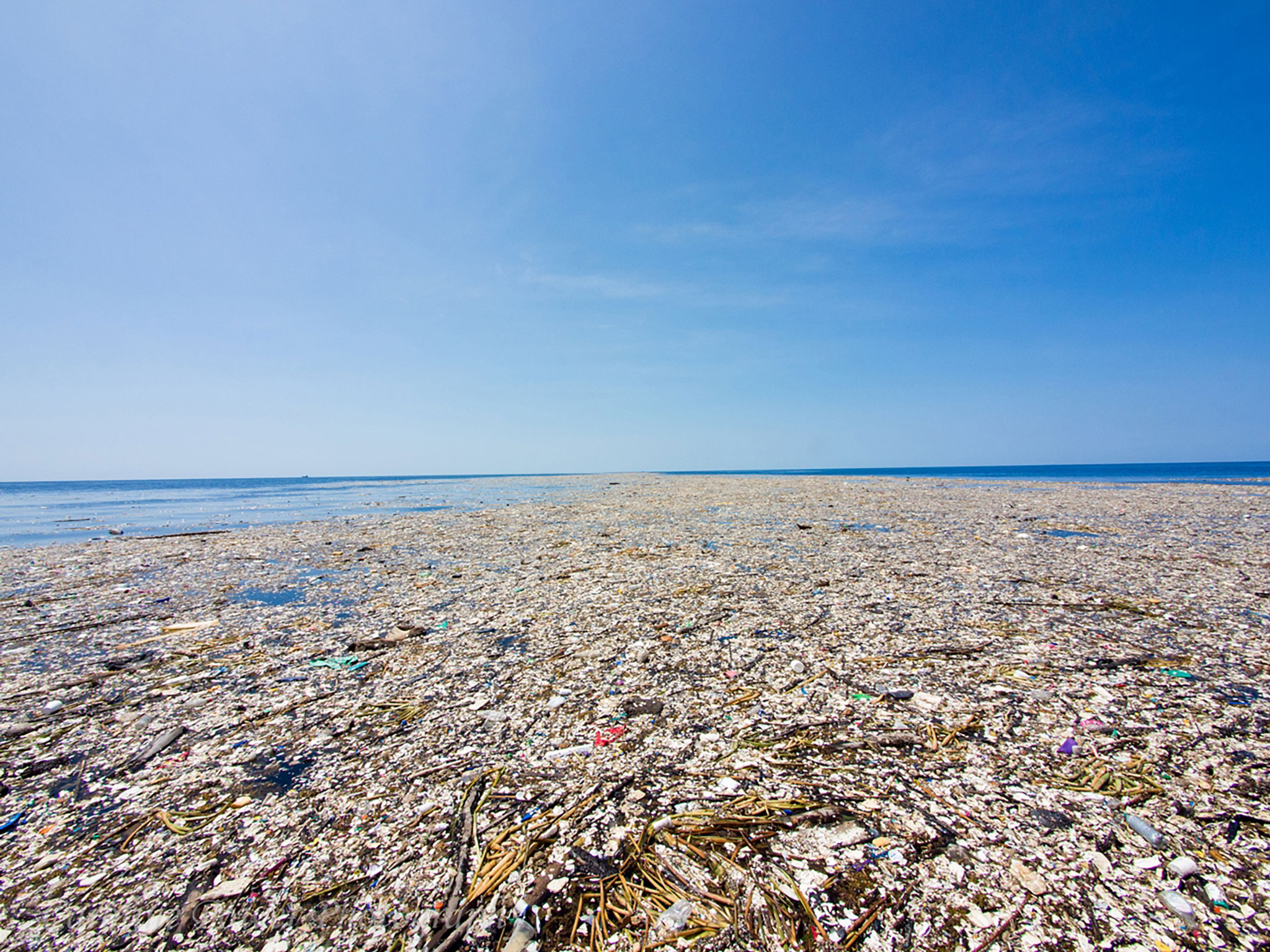
    The Pacific patch is made up of two smaller patches, the Western Garbage Patch near Japan and the Eastern Garbage Patch that stretches between Hawaii and California.

    While most of the patch is the comprised of worn down microplastics, an astonishingly high 46% of the 79,000 metric tons of plastic in the patch is actually abandoned fishing nets and fishing industry gear, like ropes, traps and crates.


    This type of pollution, often called ghost nets, strangles, suffocates or injures around 100,000 marine animals each year. 

    But Slat didn’t stop at gathering information. He took to the crowd-funding stage and with massive support, he and his team began working on new and creative ways to clean up the vortex. After several setbacks, The Ocean Cleanup announced modest success in 2021 when it pulled 63,000 pounds of trash from the patch in October. Now, alongside such organizations as 5 Gyres, the National Ocean and Atmospheric Administration, Ocean Conservancy, Ocean Voyages Institute, and Ocean Crusaders, The Ocean Cleanup is fully committed to the goal of cleaning up 90% of the Great Pacific Garbage Patch by 2040. 

    This is a wonderful and ambitious goal, and many organizations and governments are right there beside these activists, entrepreneurs, scientists and researchers to make this achievable. Yet, there’s still so much more to address as we wade through the patch and hope to find its bottom and shrink its borders. 

    First, what do we do with the plastic pulled from the patch? The Ocean Cleanup is reusing some of it to make other products while the rest of it is processed through on-shore plastics recycling facilities. As the cleanup continues, the hope is that innovators and entrepreneurs will come forward to develop other sustainable systems to process, recycle and reuse these plastic, microplastics and other debris. 

    The biggest question we have to ask, however, is how do we keep this from continuing to develop? Once the patch is minimized or even gone, how do we prevent it from simply regrowing? 

    Well, there are some people working on that, too. From The Ocean Cleanup’s river interceptor robots to air bubble curtains like those installed throughout the Florida Keys, management systems are being installed at the mouths of rivers, canals, marinas and in smaller bodies of water around the world to begin to address the future of ocean and water pollution. 

    Of course, each and every person can do their own part by investing in and supporting local and regional recycling centers and systems, composting waste, striving to reuse instead of simply consume, and upcycling plastics, glass and other debris within their own communities, homes and gardens. How are you making a difference for the health of our planet’s waters? N

    By S. Michal Bennett

    As Featured In: Summer/Fall 2022

    Share. Facebook Twitter Pinterest LinkedIn Tumblr Email

    Related Posts

    Wildfire and our forests

    Trees and Disposable Paper Goods

    Water Conservation in North Idaho

    Leave A Reply Cancel Reply

    Follow Us
    Facebook
    Instagram
    Pinterest
    Twitter
    YouTube
    Subscribe to Our Newsletter

    Spokane Indians

    Join the Nspire Magazine Adventures Group

    Pacific Northwest Events
    Popular Articles
    April 25, 202212

    Journey into Darkness – North Idaho’s Secret Cave

    May 2, 20165

    Cristopher Lucas

    September 19, 20204

    Chef Steve’s Pasta

    Subscribe to Nspire Magazine
    Nspire Magazine Office

    P: (208) 930-0114

    4020 N Huetter Rd
    Coeur d'Alene, ID 83814
    Office Hours: M-F, 8-5pm

    • Nspire News
    • Back Issues
    • Advertise With Us
    • Submissions
    • Meet the Team
    • Log In
    View Us On Instagram
    Apple Cider Whiskey Warmer
.
2 oz bourbon
1 oz Athol Orchards Apple Cider syrup
1 oz brewed Pu-erh black tea
Dash of orange bitters
1 cinnamon stick
1 dried or fresh orange wheel
.
By: @michalthewriter 
Photography by: @joelrinerphotography
    •
    Follow
    Apple Cider Whiskey Warmer . 2 oz bourbon 1 oz Athol Orchards Apple Cider syrup 1 oz brewed Pu-erh black tea Dash of orange bitters 1 cinnamon stick 1 dried or fresh orange wheel . By: @michalthewriter Photography by: @joelrinerphotography
    2 weeks ago
    View on Instagram |
    1/9
    Lewis River Trail #31
.
Where to celebrate after:
Around the campfire.
.
Photography by: @joelrinerphotography
    •
    Follow
    Lewis River Trail #31 . Where to celebrate after: Around the campfire. . Photography by: @joelrinerphotography
    3 weeks ago
    View on Instagram |
    2/9
    Charming Greenstone Farmhouse
.
"The home was featured in North Idaho Building Contractors Association’s Parade of Homes in 2024, where it received Hemlock awards for best kitchen, best interior, and best curb appeal."
.
Builder: @greenstone_homes 
.
By: Joe Butler
.
Photography by: @joelrinerphotography
    •
    Follow
    Charming Greenstone Farmhouse . "The home was featured in North Idaho Building Contractors Association’s Parade of Homes in 2024, where it received Hemlock awards for best kitchen, best interior, and best curb appeal." . Builder: @greenstone_homes . By: Joe Butler . Photography by: @joelrinerphotography
    3 weeks ago
    View on Instagram |
    3/9
    Finding the Fountain of Youth
.
"We were all lined up on the cat track looking over a small section of trees when Grollmus gave us the intel on this run. “Make your way through this small section of trees and then it opens wide up for about 400 yards. I’ll go first and radio back up to EJ once I get in position.”"
.
By: Bob Legasa
    •
    Follow
    Finding the Fountain of Youth . "We were all lined up on the cat track looking over a small section of trees when Grollmus gave us the intel on this run. “Make your way through this small section of trees and then it opens wide up for about 400 yards. I’ll go first and radio back up to EJ once I get in position.”" . By: Bob Legasa
    1 month ago
    View on Instagram |
    4/9
    Huckleberry Honey Cake
.
1/2 cup butter, softened
1/2 cup organic cane sugar
1/2 cup honey
3 eggs + 1 egg yolk, beaten
3/4 cup whole milk
1 1/2 cups + 1 tbsp masa harina corn flour, divided
2 tsp baking powder
1/8 tsp sea salt
1 cup frozen huckleberries (or sub wild blueberries)
1 cup heavy whipping cream
8 oz mascarpone cheese
1/4 cup powdered sugar
1 tsp lemon juice
1/4 tsp vanilla
.
By: @michalthewriter 
Photography by: @joelrinerphotography
    •
    Follow
    Huckleberry Honey Cake . 1/2 cup butter, softened 1/2 cup organic cane sugar 1/2 cup honey 3 eggs + 1 egg yolk, beaten 3/4 cup whole milk 1 1/2 cups + 1 tbsp masa harina corn flour, divided 2 tsp baking powder 1/8 tsp sea salt 1 cup frozen huckleberries (or sub wild blueberries) 1 cup heavy whipping cream 8 oz mascarpone cheese 1/4 cup powdered sugar 1 tsp lemon juice 1/4 tsp vanilla . By: @michalthewriter Photography by: @joelrinerphotography
    1 month ago
    View on Instagram |
    5/9
    Tamanawas Falls 
.
"After scrambling up through the crux of the hike, an impressive basalt talus field, hikers reach a crest and shortly thereafter are treated to the massive Tamanawas Falls pouring over a sharp edge and free-falling to the rocks below."
.
By: @cdcphotography88
    •
    Follow
    Tamanawas Falls . "After scrambling up through the crux of the hike, an impressive basalt talus field, hikers reach a crest and shortly thereafter are treated to the massive Tamanawas Falls pouring over a sharp edge and free-falling to the rocks below." . By: @cdcphotography88
    1 month ago
    View on Instagram |
    6/9
    Special Touches for 'Forever Home'
.
"The ensuite area includes dual sinks and illuminated mirrors as well as accent windows that provide natural light. It also features a spacious ‘wet room’ with an enclosed bathtub and shower. Johnson said the homeowners, in their 50s, wanted to make sure they would be able to age in place well, so the room was designed not to include any barriers or anything that could lead to mobility challenges in the future."
.
Bulider: @rosenbergerconstruction 
By: Joe Butler
Photography by: @joelrinerphotography
    •
    Follow
    Special Touches for 'Forever Home' . "The ensuite area includes dual sinks and illuminated mirrors as well as accent windows that provide natural light. It also features a spacious ‘wet room’ with an enclosed bathtub and shower. Johnson said the homeowners, in their 50s, wanted to make sure they would be able to age in place well, so the room was designed not to include any barriers or anything that could lead to mobility challenges in the future." . Bulider: @rosenbergerconstruction By: Joe Butler Photography by: @joelrinerphotography
    1 month ago
    View on Instagram |
    7/9
    Living the River Life
.
"Rays of light cut down through the water around the raft like laser beams; the already brilliant emerald-colored water glowing even more spectacularly with the added light. A large trout dashed from beneath a submerged rock through the light as we drifted over it."
.
By: @cdcphotography88
    •
    Follow
    Living the River Life . "Rays of light cut down through the water around the raft like laser beams; the already brilliant emerald-colored water glowing even more spectacularly with the added light. A large trout dashed from beneath a submerged rock through the light as we drifted over it." . By: @cdcphotography88
    1 month ago
    View on Instagram |
    8/9
    Taco Salad with Chicken
.
Veggies & Toppings
Pico de gallo
Pickled red onions
Black beans, drained & rinsed
½ avocado per salad (fanned for presentation)
Tortilla strips
Cotija cheese, crumble
Shredded mozzarella
.
Restaurant:  El Jefe's Gril
Photography by: @joelrinerphotography
    •
    Follow
    Taco Salad with Chicken . Veggies & Toppings Pico de gallo Pickled red onions Black beans, drained & rinsed ½ avocado per salad (fanned for presentation) Tortilla strips Cotija cheese, crumble Shredded mozzarella . Restaurant: El Jefe's Gril Photography by: @joelrinerphotography
    1 month ago
    View on Instagram |
    9/9
    Copyright © 2025 Nspire Magazine.

    Type above and press Enter to search. Press Esc to cancel.