

In Kootenai County, Idaho, where I live, there are at least six community and non-profit gardens, some independent and some associated with food banks and community kitchens. I was saddened by the recent announcement that one of those kitchens would be closing and the property would be developed for housing.
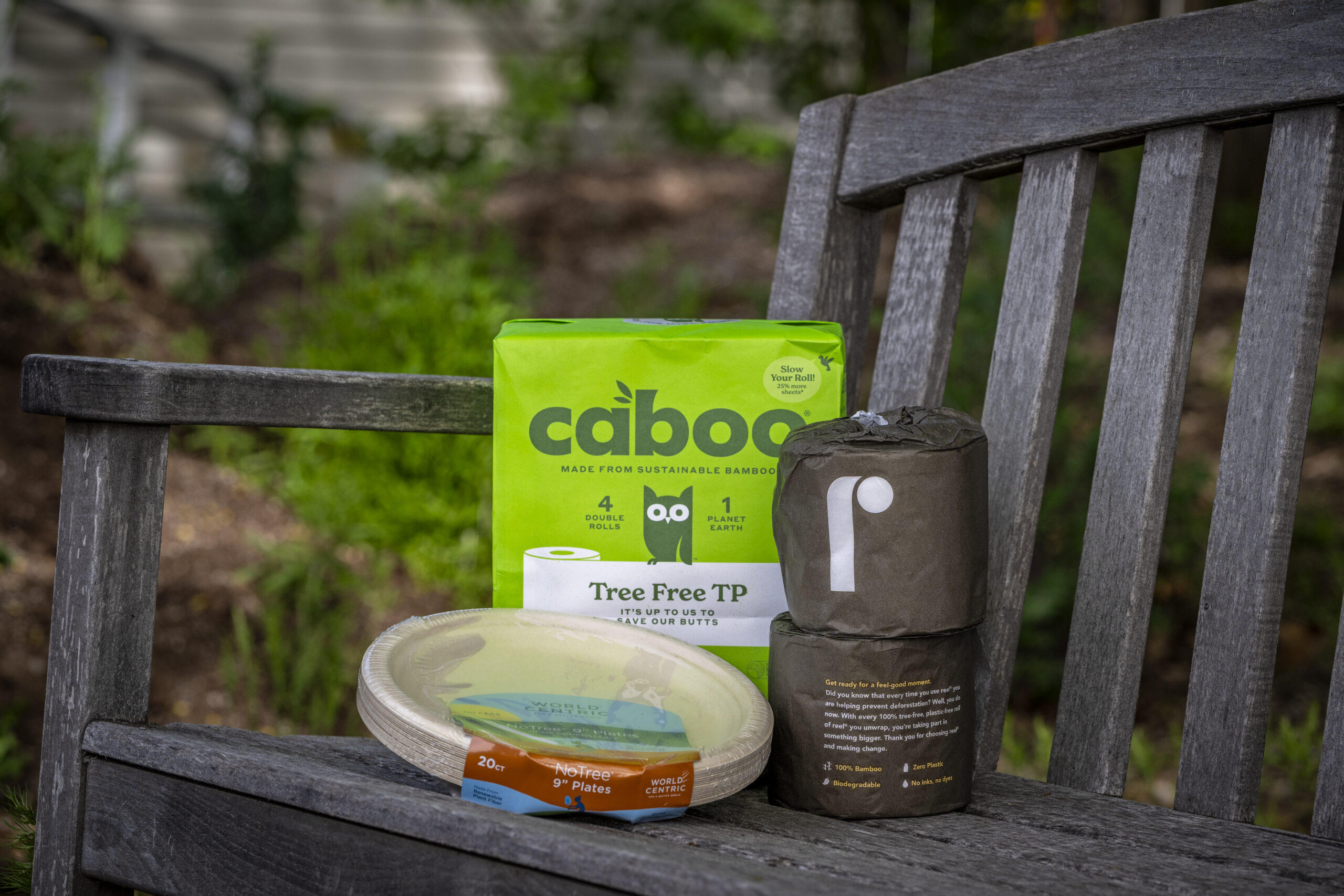
Paper products are constantly present in our everyday lives. This fact became glaringly obvious with the 2020 toilet paper shortage when people began panic buying and hoarding toilet paper during the early months of the COVID-19 pandemic. For years, we had used bulk toilet paper from Costco in our house, but in 2019, we happened to switch to a subscription service through Reel Paper, an up-and-coming bamboo paper goods company at the time. We never ran out or experienced a break in deliveries. Today, Reel is one of the top bamboo paper companies in the U.S. with toilet paper and paper towels that are tree-free, plastic-free, fragrance-free and lint-free. I also find the biodegradable rolls to be comfy, although they aren’t “ultra soft,” if that’s what you prefer.
Aside from toilet paper and paper towels, you might be surprised by how many paper products you handle in a day: facial tissues, books, magazines, envelopes, notepads, cardboard boxes, shipping fillers, coffee filters, tea bags, food boxes, ice cream pints, dryer sheets, wallpaper, laminate worktops, board and card games, art prints, picture frame mats, bandages, masks, party hats, twisty ties…and the list goes on and on.
>> Production and Waste
The tree pulp and paper industry is massive and significant to the modern first-world way of life. But, there are a handful of environmental and sustainability issues integrated into the lifecycle of paper. Although logging industries and government agencies in the U.S. are tasked with offsetting and mitigating their harvesting activities, deforestation and habitat loss are still a natural impact on ecosystems, biodiversity and forest health. Demand is high, and demands must be met.
In addition, separating the wood fibers (pulping) and processing pulp for consumer use can release bleaching chemicals and other pollutants, like nitrogen dioxide, sulfur dioxide and carbon dioxide into the water and air. This is also a resource-intensive process, requiring large amounts of water and energy. As a waste product, paper is fairly easy to dispose of and even recycle. However, treated paper, like that used in tissue paper or paper napkins, and coated food paper, like coffee cups and wax paper, are not recyclable. If paper is contaminated with food, grease, or chemicals, that also prevents it from being recycled – think pizza boxes.
According to the U.S. Environmental Protection Agency, paper products can account for up to 40% of our landfill content. Although biodegradable, when paper breaks down in a landfill’s anaerobic conditions, it releases methane gas, a greenhouse gas that can impact the environment and potentially climate, over time. Recycling is the best option for paper waste, but when that’s not possible, surprisingly, burning paper is often proposed as a more environmentally friendly alternative to throwing into the trash.
>> Tree Paper Alternatives
Eco-friendly and sustainable products are in higher demand today than ever before. As a society, we are more aware and conscientious of our impact on our planet and overall, I believe, desirous of being good stewards of what we’ve been given, even if we may also prefer convenience over conservation. Alternative paper goods companies have emerged and aim to offer both to consumers, and human innovation continues to find a way to survive and look good while doing so.
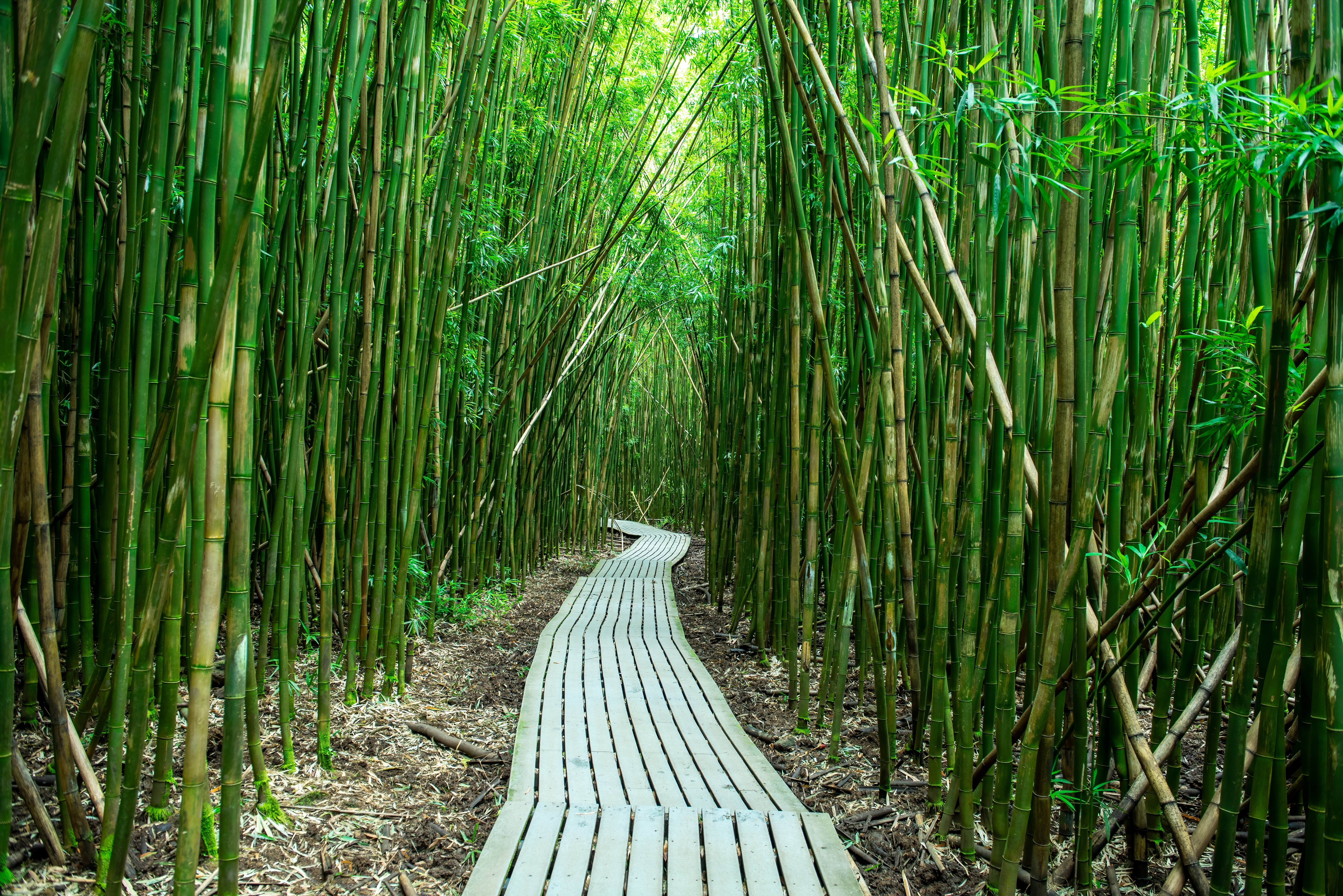
The top tree paper material alternative on the market right now is bamboo. Bamboo is a plant in the grass family that uses rhizomes to grow continuously underground on a horizontal stem. This stem then sends up new stalks of bamboo as it grows out through the soil. In my 20’s, I lived for a short time in North Carolina, and there was a bamboo stand in the back yard of our rental house. Without continual management, it had taken over half the yard, and the stalks were thick and hardy. It was beautiful, but I didn’t envy the challenge it presented for the next tenant.
Bamboo plants regenerate quickly and reach maturity in 3-5 years – a comparable stand of paper pulp trees would take 50-100 years. It also doesn’t generally require pesticides and is one of the fastest-growing plants on the planet. Once fully grown, a bamboo stand can be harvested annually for 40-70 years, whereas trees can only be harvested once then re-planted. Bamboo fibers have a durable natural strength and can be easily made soft and absorbent. It’s also naturally hypoallergenic, gentle on the skin, and gentle on the environment due to being easy to process, able to be recycled multiple times, and clean and quick to break down in a landfill.
You can find bamboo on the market today in the form of toilet paper, paper towels, toothbrushes, sanitary pads, straws, kitchen wares, furniture, towels, bedding, clothing, phone cases, charcoal, flooring, storage, tea (bamboo leaf), fuel pellets and much more.
Other top tree paper alternatives are cotton, hemp (also fast-growing and resource-efficient), bagasse (sugarcane fibrous residue waste from processing sugar), and straw (reclaimed or scrapped from agriculture). You might even find some of these mixed with bamboo, cotton, or even recycled paper for an eco-friendlier product.
How are you exercising your conservation muscles when it comes to paper? I do still use Reel toilet paper (and I love it), dry my laundry with wool dryer balls, and subscribe to magazines online. Books, though, are my paper weakness, a penchant I plan to mitigate this year by using a bunch of old books destined for a landfill to create an outfit for a trash-to-fashion fundraising event for the local Kootenai Environmental Alliance. N
By: S. Michal Bennett