

During and at the end of a growing season, there are many ways to preserve your garden’s harvest. While canning, pickling and freezing are popular options, drying and dehydrating produce is another effective way to extend shelf life – and it doesn’t require fancy equipment.
Drying and dehydrating work by reducing what food scientists call “water activity” (aw), a measurement of the free water available for bacteria, mold and yeast growth. Pure water has an aw of 1.0, while most food-spoiling bacteria thrive above 0.90. Traditional preservation methods such as adding sugar, salt or pectin bind water and lower water activity. Removing moisture through drying achieves the same goal, helping food last much longer.
Drying food is far from a modern invention. Sun drying, air drying and smoking have been used for centuries to preserve food. These methods generally require warm temperatures and good airflow, though herbs, flowers and greenery often benefit from drying in darker environments to better preserve color and flavor. More modern approaches include dehydrating and freeze drying.
If you live in a warm, sunny climate with low humidity and temperatures around 98 degrees Fahrenheit or higher, sun drying can be simple and effective. Fruits such as grapes, mangoes, apricots, apples and tomatoes dry particularly well when placed on breathable mesh trays with good airflow. To protect produce from birds and insects, use screens, cheesecloth, netting or mesh bags. Solar dryers offer a more controlled version of traditional sun drying.
Air drying is another simple method. Herbs and nuts are commonly hung in a dry, well-ventilated area until fully cured. Garlic can be braided and hung while the stalks are still pliable, and peppers are often strung together to dry. Around the world, many cultures use variations of this technique. In Nordic countries, for example, cod is traditionally hung outdoors on wooden racks and dried by cold seasonal winds.
Smoking combines low heat and smoke to preserve food by reducing moisture and creating a protective barrier. Although most commonly used for meat and fish, some vegetables can a be smoked and dried.
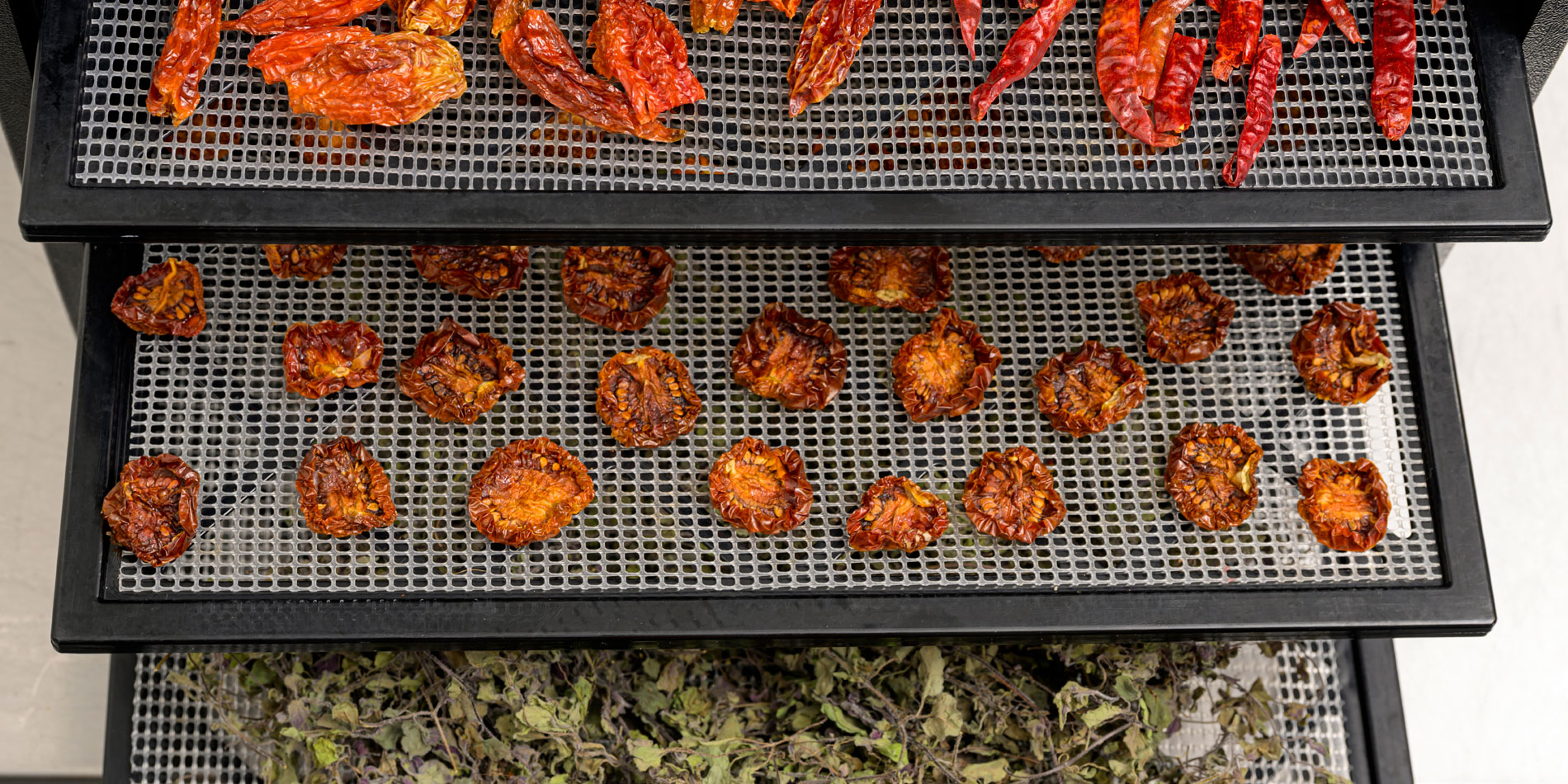
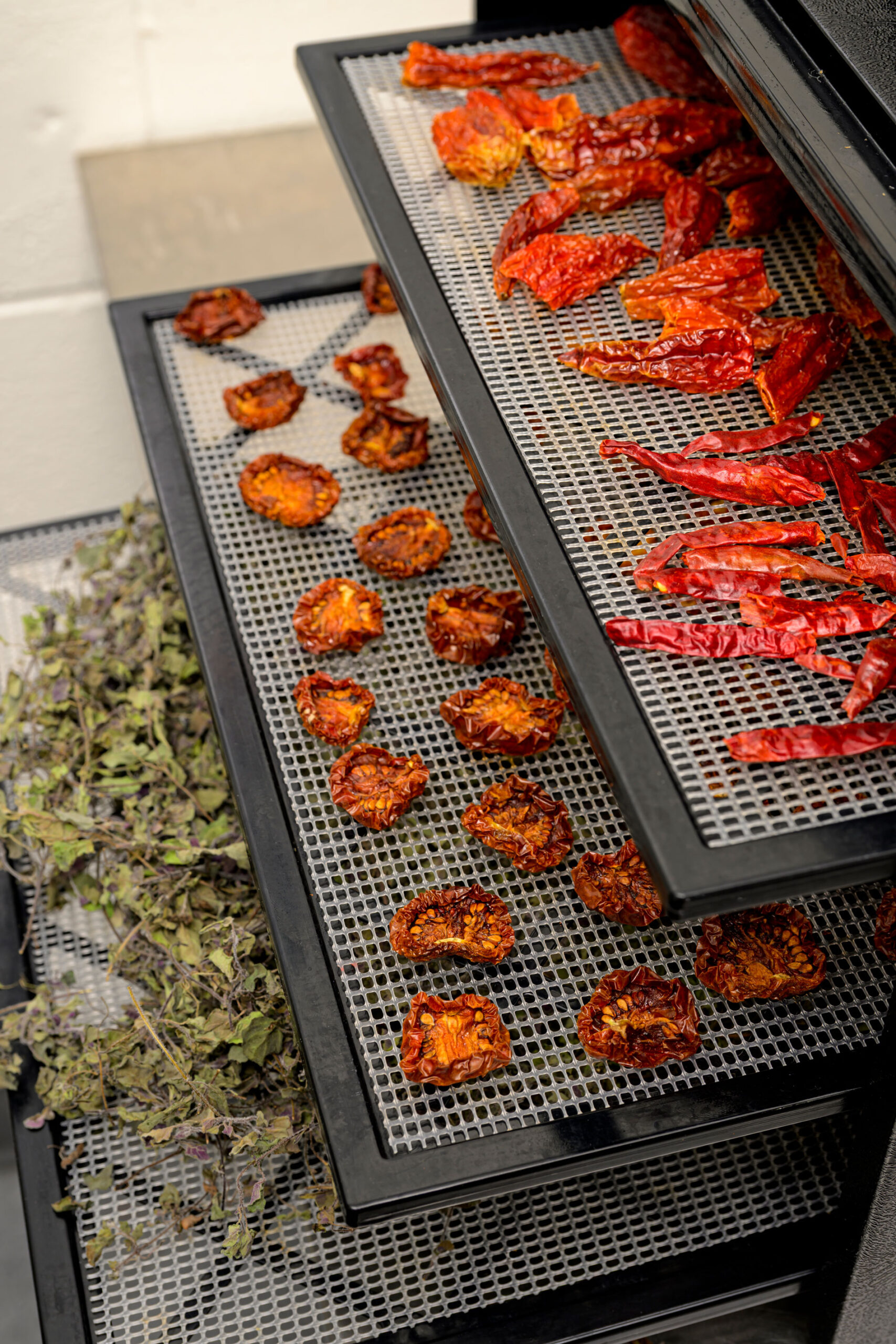
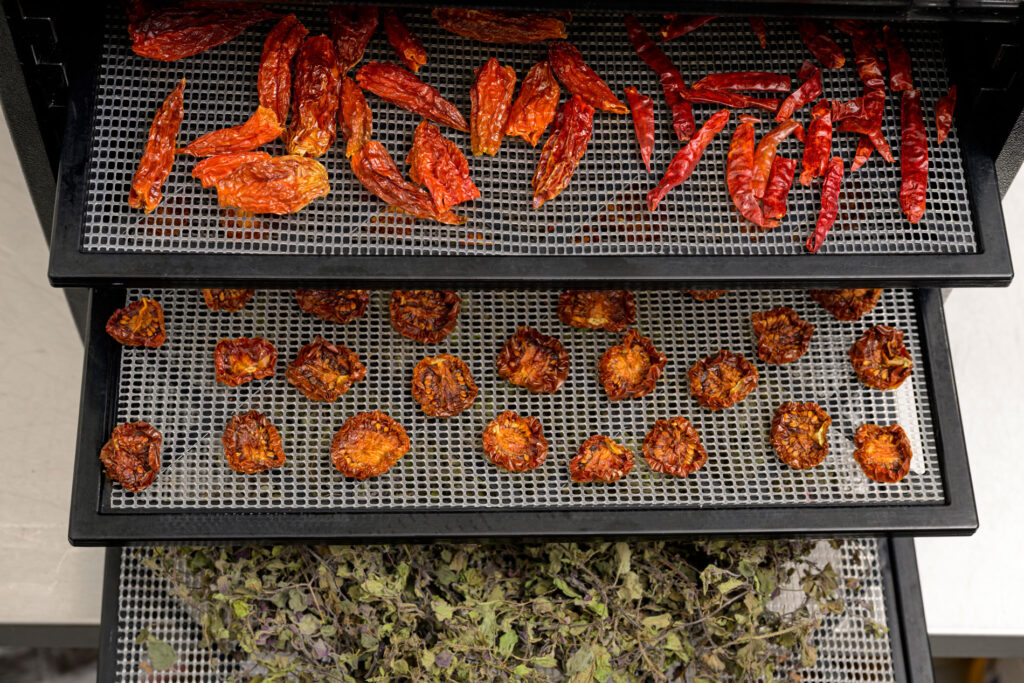
For many home gardeners, dehydrating is one of the easiest and most reliable options. A food dehydrator – or even a home oven set to a low temperature – removes moisture gradually while preserving flavor and nutrients. I use dehydrators frequently in a commercial farm kitchen because they allow me to prepare produce, load the trays and focus on other tasks while the machine does the work. A few practical tips: herbs are often easier to strip from stems after drying, peppers dry faster with the tops removed, and tomatoes dehydrate best when cut into halves or quarters.
Freeze drying has grown in popularity in recent years. While I still prefer traditional dehydrating for many foods, freeze drying excels at producing powders, seasonings and crunchy fruit or vegetable snacks. The equipment requires a larger investment of both money and time, but it can preserve foods for exceptionally long periods.
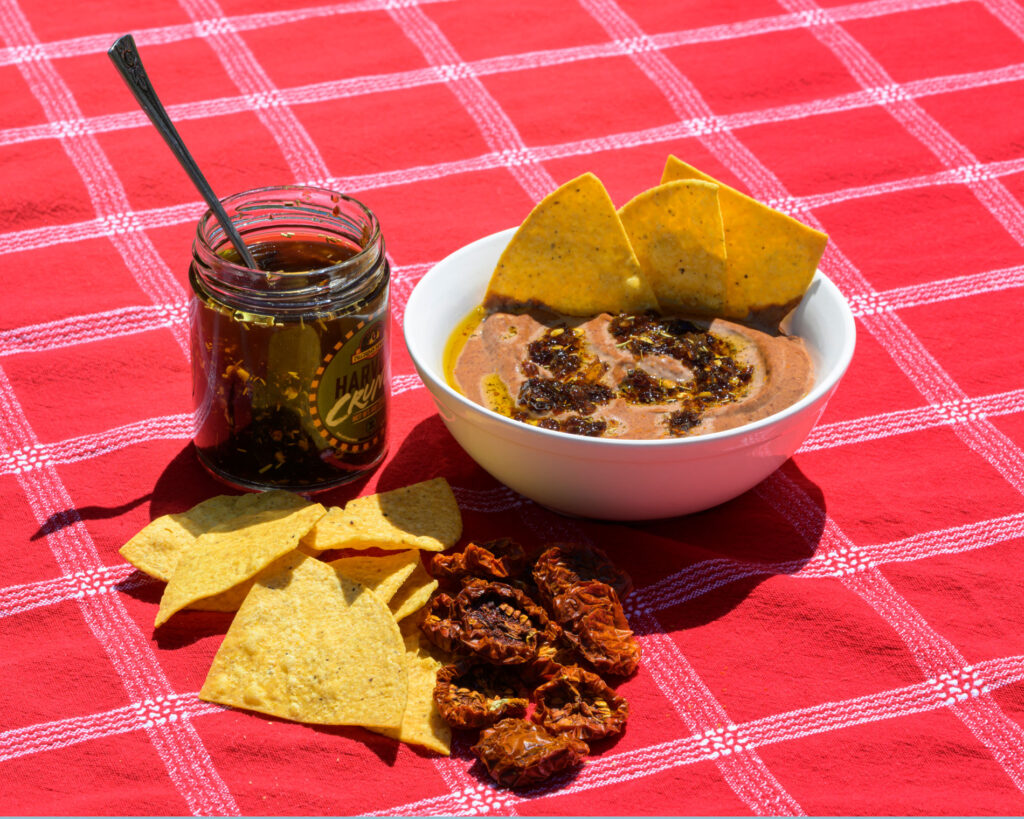
Properly stored freeze-dried foods can remain viable for 25 to 30 years. Other dried foods generally last from several months to a year, depending on the food and drying method. For best results, store dried foods in airtight containers with food-grade oxygen absorbers or moisture-control packets. They can be enjoyed as-is, added directly to recipes or rehydrated for later use. N
As Featured in the 2026 Summer/Fall Edition
By: S. Michal Bennett
Photography by: Joel Riner