

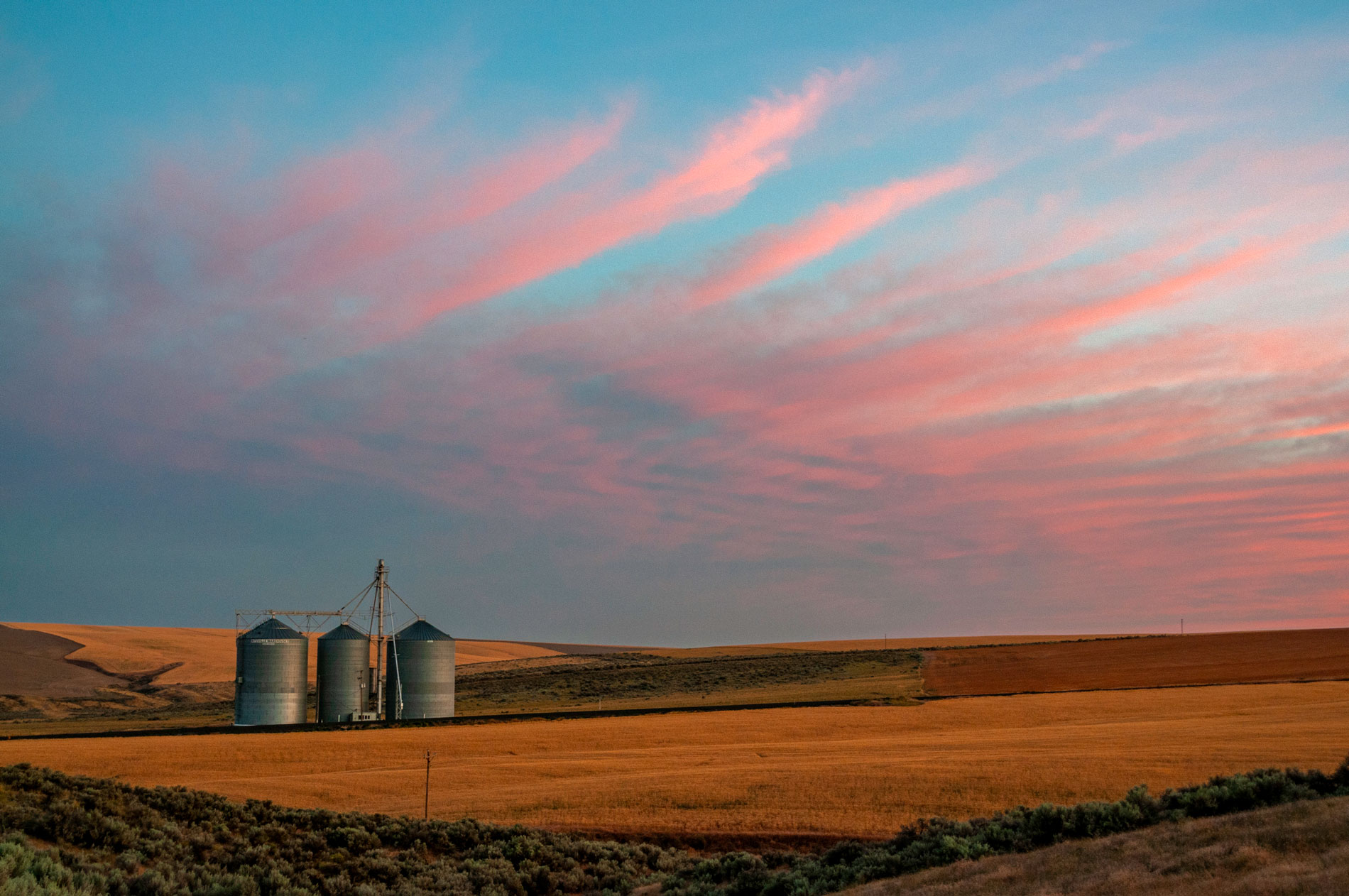
Living in the southern United States, road trips usually took us through rolling stretches of rangeland and crop fields in Texas, Oklahoma and eastern Colorado. Many Thanksgivings were spent at my great-grandmother Brown’s farm in Ada, Okla. My great-uncle Luther maintained the land, and my great-grandmother kept a garden, chickens and a few horses. During those brief visits, I fell in love with the idea of farm life. As an adult, I’ve had the opportunity to experience both the harsh realities and nostalgic dreams surrounding small farming in America.
Family-owned farms and small farms — defined as operations with annual gross cash farm income under $350,000 — remain vital to the nation’s economy and culture. They support rural communities, encourage innovation and entrepreneurship and often serve as stewards of natural resources through sustainable and organic practices.
Yet small farms continue to disappear.
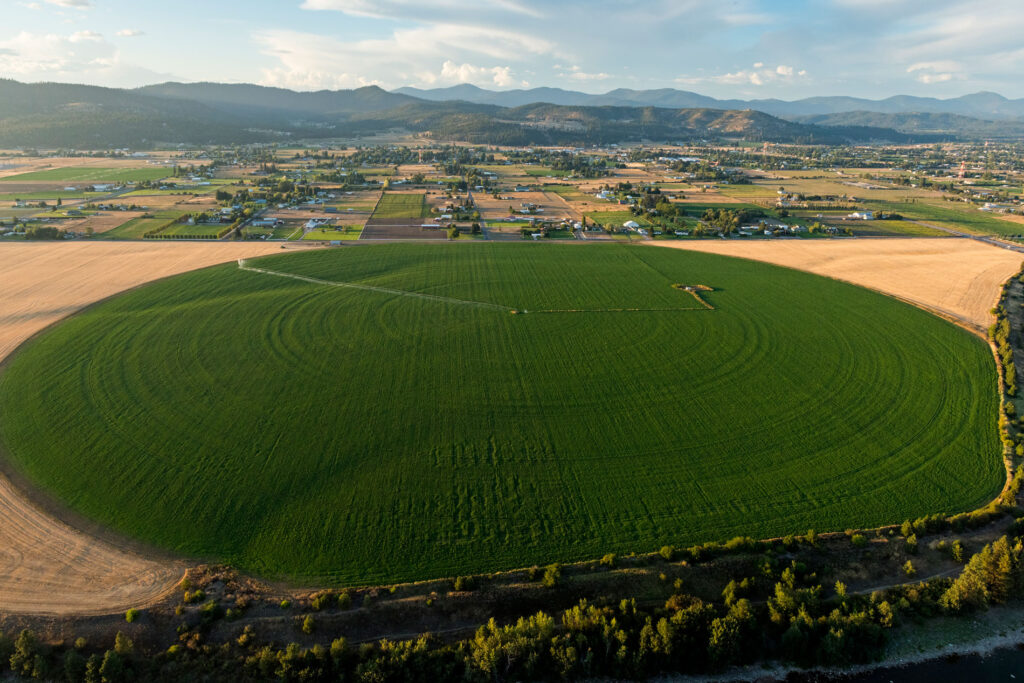
Center-pivot irrigation reflects the scale and efficiency of modern agriculture. Behind these vast fields, many small family farms struggle to survive.
According to the USDA, 86% of U.S. farms are considered small family farms, but they operate only 41% of agricultural land and account for just 17% of the total value of agricultural production. In 1970, America had approximately 1.1 billion acres of farmland. Today, that number has fallen to about 874 million acres. The number of farms continues to decline, and earning a sustainable living from farming remains increasingly difficult.
>> Acres and Tractors
The transformation of American agriculture accelerated in the early 1970s under U.S. Secretary of Agriculture Earl Butz. His famous mantra, “Get big or get out,” encouraged the consolidation of small farms into larger commercial operations.
At the same time, new machinery — including planters, harvesters and balers — dramatically increased efficiency and productivity. Fewer workers could farm more land, and larger operations could produce food at lower costs.
Butz argued that modernization was necessary to feed a growing population. Having grown up on a farm himself, he had little interest in returning to the labor-intensive agriculture of previous generations.

“I don’t want to go back to the good ol’ days,” he once said. “I only want to go forward.”
His policies helped transform agriculture, but they also placed enormous pressure on small producers. Many farmers sold their land, lost market access or were unable to sustain the debt required to expand. Within a relatively short period, the number of small farms was cut dramatically.
Earlier this year, the Kootenai Environmental Alliance screened the documentary Look & See: A Portrait of Wendell Berry. While the film centers on the celebrated farmer, writer and activist, what struck me most was the resilience of small-scale farmers during the rise of industrial agriculture.
The farmers featured in the film were deeply connected to their land, communities and food systems. Farming was difficult, uncertain work, but it was also part of who they were. Despite economic pressures, they found ways to continue.
>> The Value of Land
One recent story illustrates the tension between agriculture and development.
In 2026, I read about a Kentucky family that rejected a $26 million offer from an artificial intelligence company seeking land for a data center. The proposal would have purchased roughly half of the family’s 1,200-acre cattle farm at nearly 10 times the regional market value.
The Huddleston family has worked on portions of the property since the 1860s. Current owners Ida Huddleston, 82, and her daughter Delsia Bare expressed concerns about the effects the development could have on local water supplies, nearby agricultural land, their community and the future of American food production.
Not every landowner made the same choice. Neighboring farms sold acreage to the developer, illustrating the ongoing pressures driving farmland consolidation and conversion across the country.
>> Economic Pressure
Modern small farmers face challenges on nearly every front.
They often pay more for seed, fertilizer, fuel and other inputs than large commercial operations, yet they are expected to compete in the same marketplace. Large farms benefit from bulk purchasing discounts and economies of scale that smaller operations simply cannot match.
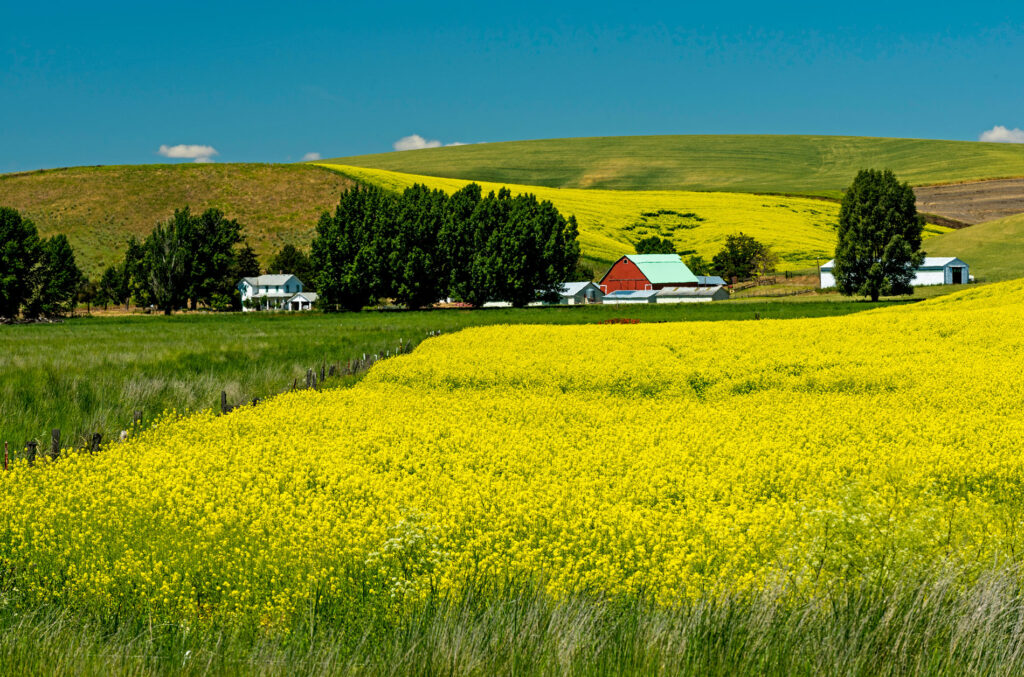
Small family farms preserve open landscapes, nourish communities and steward the land, yet economic pressures threaten their future.
Many farmers also carry substantial debt from land purchases, equipment and operating expenses. Rising interest rates and property taxes only increase the burden. Because farming income depends on weather, markets and other unpredictable factors, even a single difficult season can have serious consequences.
As a result, many farm families rely on off-farm jobs, value-added products or agritourism ventures to stay afloat.
>> Succession and New Farmers
Social media often highlights young people moving to rural properties, raising livestock and growing food. While those stories are inspiring, they don’t always reflect the broader reality.
Farm succession is becoming increasingly difficult. Younger generations frequently leave rural communities in search of more stable careers and economic opportunities. Farming remains physically demanding, financially risky and highly dependent on factors outside a farmer’s control.
It can also be an isolating lifestyle. Farming is rarely a job that ends at five o’clock. For many producers, it becomes an all-encompassing way of life.
Children who grow up on farms often witness both the rewards and hardships of the profession. Some develop a deep desire to continue the family legacy. Others decide the challenges are simply too great.
>> Hope for the Future
Despite these challenges, there are reasons for optimism.
One of the farmers featured in Look & See found renewed hope after reading The Market Gardener by Jean-Martin Fortier. Through bio-intensive growing methods, direct marketing and efficient small-scale production, he discovered ways to increase profitability without expanding acreage.
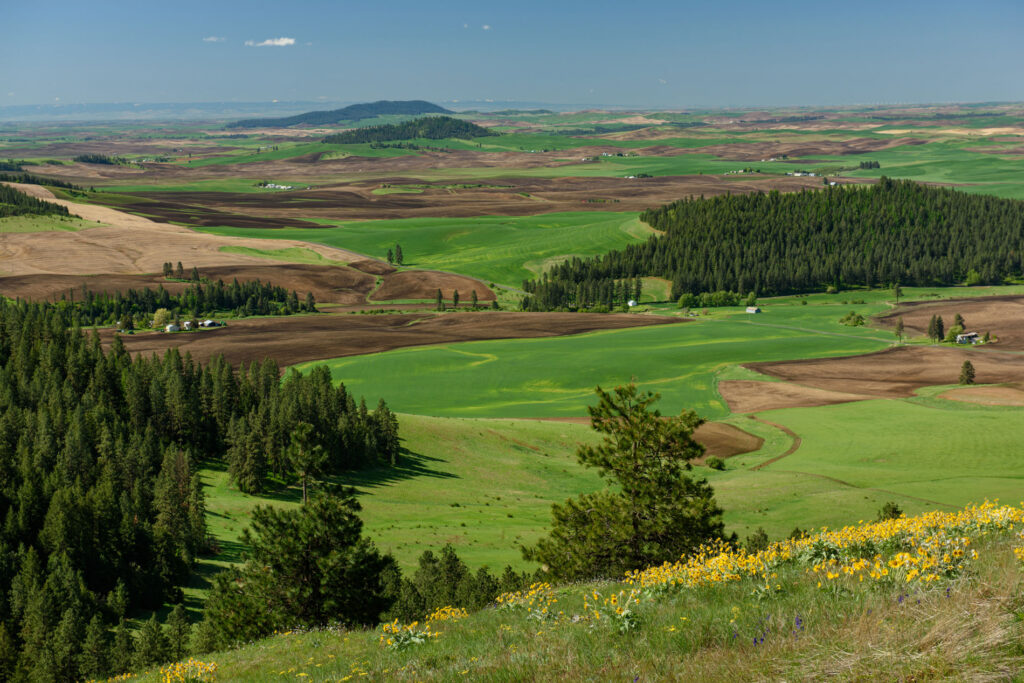
Regenerative agriculture, diversification and direct-to-consumer sales continue to offer promising paths forward. Community Supported Agriculture programs, farmers markets, farm stands and cooperative marketing models help producers capture more of the value they create while strengthening local food systems.
Consumers can also play an important role. Supporting local farmers, purchasing directly from growers and advocating for policies that reduce barriers for beginning farmers can all make a difference. Organizations such as the National Young Farmers Coalition work to expand opportunities for the next generation of agricultural producers.
Programs like FFA, 4-H and WWOOF provide valuable education and hands-on experience for young people interested in farming. They help cultivate future farmers while connecting communities to agriculture.
The future of small farming is far from guaranteed. Yet the passion, resilience and ingenuity of farmers continue to offer hope. If we value local food, healthy land and vibrant rural communities, supporting small agriculture isn’t just an investment in farmers — it’s an investment in all of us. n
As featured in the Summer/Fall 2026 Edition