

Close Menu
    Nspire Magazine – Pacific Northwest Living
    Subscribe to Nspire Magazine
    • Adventure
      1. Hiking
        • Oregon
        • Montana
        • Washington
        • Idaho
      2. Travel
      Featured
      March 17, 20250

      Grizzly

      Recent
      March 14, 20260

      Tamanawas Falls

      March 13, 20260

      Hiking in Switzerland

      March 3, 20260

      Living the River Life

    • Food
      1. Dining Guide (curbside)
      2. Recipes
      3. Ingredients
      Featured
      March 19, 20250

      Cocoa Rubbed Steaks with Bacon Brussels Sprouts

      Recent
      March 13, 20260

      Apple Cider Whiskey Warmer

      March 10, 20260

      The Great Western Huckleberry

      March 10, 20260

      Pork Loin with Huckleberry

    • Home
      1. Builders Guide
      2. Organic Gardening
      3. Real Estate
      Featured
      March 20, 20250

      Modern Meets Rustic in this Stunning Black Rock Home

      Recent
      March 13, 20260

      Special Touches for ‘Forever Home’

      March 10, 20260

      Garden to Table

      March 3, 20260

      Charming Greenstone Farmhouse

    • Lifestyle
      1. Arts
      2. Conservation
      3. Fitness
      4. Nspired
      Featured
      March 20, 20250

      Weighing In

      Recent
      March 13, 20260

      Wildfire and our forests

      March 12, 20260

      This Old House Adam Schluter

      March 10, 20260

      North Idaho Women

    • Expert Tips
    • Gear
    • Events
      • Calendar of Events
      • Nspire Wedding
    • Subscribe
    • Group Tours
      • Charter Bus
    0 Shopping Cart
    Nspire Magazine – Pacific Northwest Living
    0 Shopping Cart

    Organic 101

    0
    By Nspire Magazine on August 26, 2025 Home, Organic Gardening

    I recently overheard a conversation between co-workers about how expensive it is to shop organic produce. It reminded me of when I was first married and started regularly shopping at the local natural food store in Colorado. Due to the climate and soil along the Front Range, not many people grow vegetable gardens, and the selection of organic produce back then was minimal, expensive and often on the brink of overripe. We ended up splitting our shopping between the natural foods store and Wal-Mart, where organic produce and products were cheaper, more diverse and more abundant.

    Today, I think back to those prices and products, and I realize how little we knew about healthy foods and why we were choosing organic. What was healthy back when I was a kid, a teenager, a young adult, a newly married woman…isn’t necessarily what I know is healthy now. And it will probably be even more different in another decade. Yet, from the time that the Organic Foods Production Act of 1990 was passed, organic produce, production and value-added foods and products have been a foundational aspect of healthy eating and living in our culture. Let’s explore what exactly that means and how we can grow, shop and eat healthy – and even organic – on a budget.

    Certified Organic

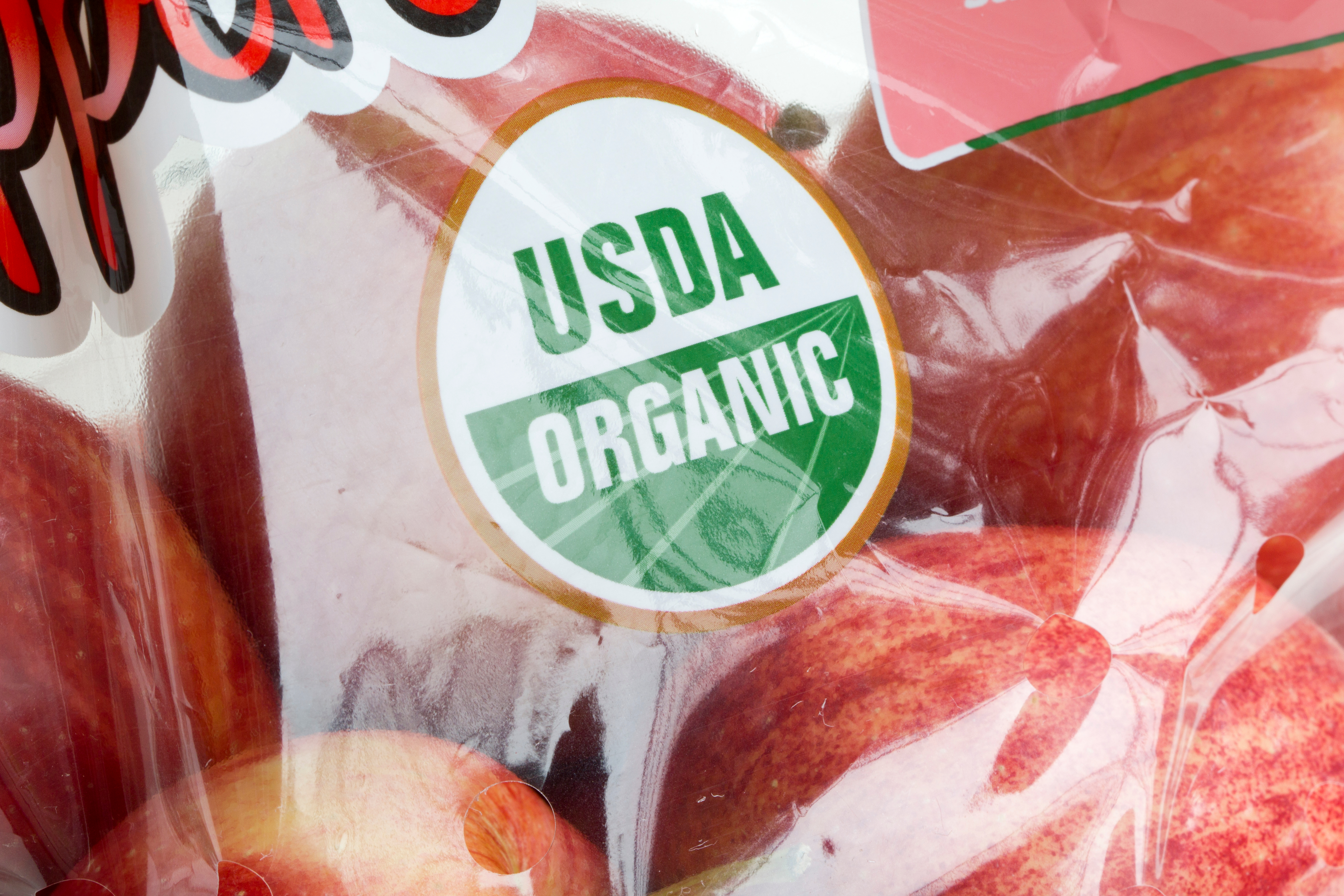
    In the United States, “certified organic” means that a farmer, producer or business has adhered to strict standards established by the U.S. Department of Agriculture (USDA) for growing, processing and handling their products. Although these standards incorporate everything from water and soil amendments to pest control, seed sourcing and composting, the biggest take-away is the prohibition of synthetic, chemical fertilizers and pesticides, as well as genetically modified (GMO) or treated (coated with a pesticide to deter fungus and insects).

    In fact, the traditional definition of “organically grown” focuses on building rich, sustainable, healthy soil and habitat to produce delicious foods. While the nutrient density gap between organic and non-organic is debated, flavor and quality usually favor organic. In addition to improving and protecting the soil’s ecosystem, organic farmers and gardeners also apply biological, natural pest control products and practices. For example, diatomaceous earth and neem oil are considered organic pest control substances. Organic pest and disease management methods may include crop rotation, choosing seeds that are naturally hardy and adapted, and building a healthy topsoil through compost, beneficial nematodes and permaculture systems. Organic gardening and farming are all about naturally supporting the environment to create a thriving, fertile, integrative, sustainable habitat for plants, beneficial insects and humans.

    Story continues after a quick message from our sponsor below

    Non-organic agriculture heavily utilizes toxic pesticides and chemicals to reduce crop damage and mitigate the presence of harmful insects and animal pests. Conventional seeds are coated for this purpose but can also be hybridized or genetically modified for disease resistance, larger fruit and high-volume production. These practices and products often place a successful and profitable end result as priority, while organic practices consider a multitude of ways to integrate the whole environment into a healthy, comprehensive food production space, while also producing excellent produce.

    Genetically-modified seeds are banned from organic agriculture, but did you know they can often be found in the spring in little packets ready to be planted in your vegetable garden? According to the FDA, corn, soybeans, cotton, potatoes, papaya and summer squash are the top GMO crops. And so many people grow zucchini and yellow squash in their gardens every summer. Unless a seed packet is labeled certified organic by the USDA or a state or local designated agency and/or displays the Non-GMO Project Butterfly, it’s possible that the seeds could be genetically modified or treated with pesticides.

    Pesticides and GMOs

    Strong research-based organizations, like the Environmental Working Group (EWG), the U.S. Environmental Protection Agency, the Sustainable Agriculture Systems Research program, the Rodale Institute, the Non-GMO Project, and others are bringing the health and environmental impacts of pesticides, GMOs and unsustainable farming practices into consumer awareness. Through research, resources and education, they are working to help us shop smarter and grow more nourishing foods. The EWG, formed in 1993, aims at providing consumers with pesticide and chemical resources and research to help individuals and families “live healthier lives in a healthier environment.” Its first report, “Pesticides in Children’s Foods,” was instrumental in passing the Food Quality Protection Act in 1996, and it continues to play a pivotal role in landmark legislation.

    In addition to its Skin Deep Cosmetics Database and other resources, the EWG annually publishes the Shopper’s Guide to Pesticides in Produce, a research-based consumer guide that ranks the pesticide contamination levels of 46 popular fruits and vegetables and is based on USDA and Food and Drug Administration (FDA) test results of more than 46,000 produce samples. The Dirty Dozen lists the most contaminated. The Clean 15 lists the least. But, remember, this only speaks to pesticide saturation.

    The Non-GMO Project, jointly founded in 2007 by a California grocery store and a Canadian grocery store, saw the first labels displaying its now-recognizable butterfly hit the shelves in 2010. This non-profit provides rigorous testing of GMOs in products as well as non-GMO verification and certification. Its excellent, trusted work “empowers people to care for themselves, the planet and future generations.”
    Natural and Local

    Foods labeled as “natural” aren’t monitored or certified by the FDA or USDA. The only USDA guideline (not enforceable) is that the product cannot contain artificial or synthetic ingredients and should be minimally processed. This terminology is usually applied to value-added or processed foods, not production methods, agriculture or manufacturing.

    Many of us have heard or said “Know Your Farmer,” which is actually a USDA initiative that promotes local and regional food systems to boost the economies of small, mid-sized and rural communities. Shopping at your local farmers’ market, visiting u-pick farms and prioritizing conversations around your local grower’s story, practices, products and values builds and supports healthy agriculture and food systems across the country and world.

    Organic on a Budget

    One of the best things about the EWG’s Dirty Dozen and Clean 15 lists is that they can make it easier to shop healthy produce on a budget. Select Clean 15 products from the conventional shelves and choose organic strawberries and greens when on the menu. Organic is also more affordable – and tastes so much better – when it’s in season, whether it’s being grown right here or in a different planting hardiness zone across the country.

    Bruised, misshapen or “ugly” organic produce may also be available for a discounted price at your local grocery store. Ask the produce employees if they can set it aside for you on your next visit, or sign up for a delivery service, such as Imperfect Foods or Misfits Market that offers slightly aesthetically flawed produce options and helps reduce agricultural waste on the wholesale level.

    As a final note – as ingredients make their way up the manufacturing chain and into low, mid, and highly processed foods, their “clean” factor becomes harder to assess. And, the less control we have over what goes into our bodies. Growing your own ingredients, even a small amount, from organic and locally sourced seeds and starts, as well as crafting your meals from scratch with healthy, quality components can make a rippling micro-difference in your home, your community and our world.

    CLEAN 15

    1. Avocados
    2. Sweet corn
    3. Pineapples
    4. Onions
    5. Papayas
    6. Sweet peas
    7. Asparagus
    8. Honeydew melon
    9. Kiwi
    10. Cabbage
    11. Mushrooms
    12. Mangoes
    13. Sweet potatoes
    14. Watermelon
    15. Carrots

    DIRTY DOZEN

    1. Strawberries
    2. Spinach
    3. Kale, collards & mustard greens
    4. Peaches
    5. Pears
    6. Nectarines
    7. Apples
    8. Grapes
    9. Bell & hot peppers
    10. Cherries
    11. Blueberries
    12. Green beans N

    As seen in the 2025 Home and Garden edition

    By: S. Michal Bennett

    Share. Facebook Twitter Pinterest LinkedIn Tumblr Email

    Related Posts

    Special Touches for ‘Forever Home’

    Garden to Table

    Charming Greenstone Farmhouse

    Leave A Reply Cancel Reply

    Follow Us
    Facebook
    Instagram
    Pinterest
    Twitter
    YouTube
    Subscribe to Our Newsletter

    Spokane Indians

    Join the Nspire Magazine Adventures Group

    Pacific Northwest Events
    Popular Articles
    April 25, 202212

    Journey into Darkness – North Idaho’s Secret Cave

    May 2, 20165

    Cristopher Lucas

    September 19, 20204

    Chef Steve’s Pasta

    Subscribe to Nspire Magazine
    Nspire Magazine Office

    P: (208) 930-0114

    4020 N Huetter Rd
    Coeur d'Alene, ID 83814
    Office Hours: M-F, 8-5pm

    • Nspire News
    • Back Issues
    • Advertise With Us
    • Submissions
    • Meet the Team
    • Log In
    View Us On Instagram
    Apple Cider Whiskey Warmer
.
2 oz bourbon
1 oz Athol Orchards Apple Cider syrup
1 oz brewed Pu-erh black tea
Dash of orange bitters
1 cinnamon stick
1 dried or fresh orange wheel
.
By: @michalthewriter 
Photography by: @joelrinerphotography
    •
    Follow
    Apple Cider Whiskey Warmer . 2 oz bourbon 1 oz Athol Orchards Apple Cider syrup 1 oz brewed Pu-erh black tea Dash of orange bitters 1 cinnamon stick 1 dried or fresh orange wheel . By: @michalthewriter Photography by: @joelrinerphotography
    2 weeks ago
    View on Instagram |
    1/9
    Lewis River Trail #31
.
Where to celebrate after:
Around the campfire.
.
Photography by: @joelrinerphotography
    •
    Follow
    Lewis River Trail #31 . Where to celebrate after: Around the campfire. . Photography by: @joelrinerphotography
    3 weeks ago
    View on Instagram |
    2/9
    Charming Greenstone Farmhouse
.
"The home was featured in North Idaho Building Contractors Association’s Parade of Homes in 2024, where it received Hemlock awards for best kitchen, best interior, and best curb appeal."
.
Builder: @greenstone_homes 
.
By: Joe Butler
.
Photography by: @joelrinerphotography
    •
    Follow
    Charming Greenstone Farmhouse . "The home was featured in North Idaho Building Contractors Association’s Parade of Homes in 2024, where it received Hemlock awards for best kitchen, best interior, and best curb appeal." . Builder: @greenstone_homes . By: Joe Butler . Photography by: @joelrinerphotography
    3 weeks ago
    View on Instagram |
    3/9
    Finding the Fountain of Youth
.
"We were all lined up on the cat track looking over a small section of trees when Grollmus gave us the intel on this run. “Make your way through this small section of trees and then it opens wide up for about 400 yards. I’ll go first and radio back up to EJ once I get in position.”"
.
By: Bob Legasa
    •
    Follow
    Finding the Fountain of Youth . "We were all lined up on the cat track looking over a small section of trees when Grollmus gave us the intel on this run. “Make your way through this small section of trees and then it opens wide up for about 400 yards. I’ll go first and radio back up to EJ once I get in position.”" . By: Bob Legasa
    1 month ago
    View on Instagram |
    4/9
    Huckleberry Honey Cake
.
1/2 cup butter, softened
1/2 cup organic cane sugar
1/2 cup honey
3 eggs + 1 egg yolk, beaten
3/4 cup whole milk
1 1/2 cups + 1 tbsp masa harina corn flour, divided
2 tsp baking powder
1/8 tsp sea salt
1 cup frozen huckleberries (or sub wild blueberries)
1 cup heavy whipping cream
8 oz mascarpone cheese
1/4 cup powdered sugar
1 tsp lemon juice
1/4 tsp vanilla
.
By: @michalthewriter 
Photography by: @joelrinerphotography
    •
    Follow
    Huckleberry Honey Cake . 1/2 cup butter, softened 1/2 cup organic cane sugar 1/2 cup honey 3 eggs + 1 egg yolk, beaten 3/4 cup whole milk 1 1/2 cups + 1 tbsp masa harina corn flour, divided 2 tsp baking powder 1/8 tsp sea salt 1 cup frozen huckleberries (or sub wild blueberries) 1 cup heavy whipping cream 8 oz mascarpone cheese 1/4 cup powdered sugar 1 tsp lemon juice 1/4 tsp vanilla . By: @michalthewriter Photography by: @joelrinerphotography
    1 month ago
    View on Instagram |
    5/9
    Tamanawas Falls 
.
"After scrambling up through the crux of the hike, an impressive basalt talus field, hikers reach a crest and shortly thereafter are treated to the massive Tamanawas Falls pouring over a sharp edge and free-falling to the rocks below."
.
By: @cdcphotography88
    •
    Follow
    Tamanawas Falls . "After scrambling up through the crux of the hike, an impressive basalt talus field, hikers reach a crest and shortly thereafter are treated to the massive Tamanawas Falls pouring over a sharp edge and free-falling to the rocks below." . By: @cdcphotography88
    1 month ago
    View on Instagram |
    6/9
    Special Touches for 'Forever Home'
.
"The ensuite area includes dual sinks and illuminated mirrors as well as accent windows that provide natural light. It also features a spacious ‘wet room’ with an enclosed bathtub and shower. Johnson said the homeowners, in their 50s, wanted to make sure they would be able to age in place well, so the room was designed not to include any barriers or anything that could lead to mobility challenges in the future."
.
Bulider: @rosenbergerconstruction 
By: Joe Butler
Photography by: @joelrinerphotography
    •
    Follow
    Special Touches for 'Forever Home' . "The ensuite area includes dual sinks and illuminated mirrors as well as accent windows that provide natural light. It also features a spacious ‘wet room’ with an enclosed bathtub and shower. Johnson said the homeowners, in their 50s, wanted to make sure they would be able to age in place well, so the room was designed not to include any barriers or anything that could lead to mobility challenges in the future." . Bulider: @rosenbergerconstruction By: Joe Butler Photography by: @joelrinerphotography
    1 month ago
    View on Instagram |
    7/9
    Living the River Life
.
"Rays of light cut down through the water around the raft like laser beams; the already brilliant emerald-colored water glowing even more spectacularly with the added light. A large trout dashed from beneath a submerged rock through the light as we drifted over it."
.
By: @cdcphotography88
    •
    Follow
    Living the River Life . "Rays of light cut down through the water around the raft like laser beams; the already brilliant emerald-colored water glowing even more spectacularly with the added light. A large trout dashed from beneath a submerged rock through the light as we drifted over it." . By: @cdcphotography88
    1 month ago
    View on Instagram |
    8/9
    Taco Salad with Chicken
.
Veggies & Toppings
Pico de gallo
Pickled red onions
Black beans, drained & rinsed
½ avocado per salad (fanned for presentation)
Tortilla strips
Cotija cheese, crumble
Shredded mozzarella
.
Restaurant:  El Jefe's Gril
Photography by: @joelrinerphotography
    •
    Follow
    Taco Salad with Chicken . Veggies & Toppings Pico de gallo Pickled red onions Black beans, drained & rinsed ½ avocado per salad (fanned for presentation) Tortilla strips Cotija cheese, crumble Shredded mozzarella . Restaurant: El Jefe's Gril Photography by: @joelrinerphotography
    1 month ago
    View on Instagram |
    9/9
    Copyright © 2025 Nspire Magazine.

    Type above and press Enter to search. Press Esc to cancel.