

Ok, you’ve cleaned up your vegetable garden in the fall and tossed all those tomato canes into a spontaneous compost pile in the corner of your yard. It looks clean and neat without the glorious mess of summer produce, but it’s also a little sad that gardening is done. Well, it doesn’t have to be! If you have a year-round itch in your green thumb, consider planting a slow-growing, cold-hardy crop or two in the fall that you can harvest in the spring or throughout the winter.
Alliums
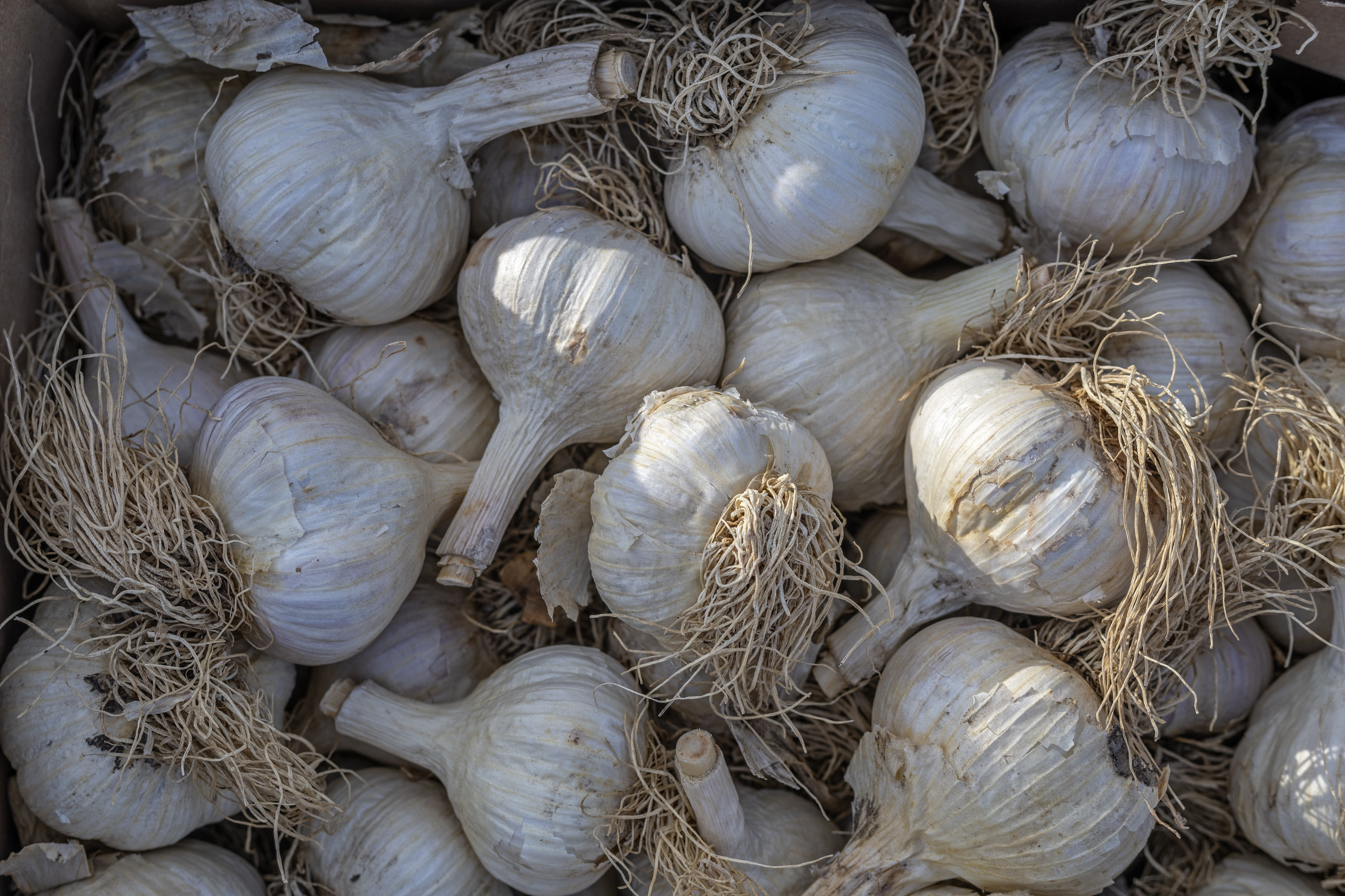
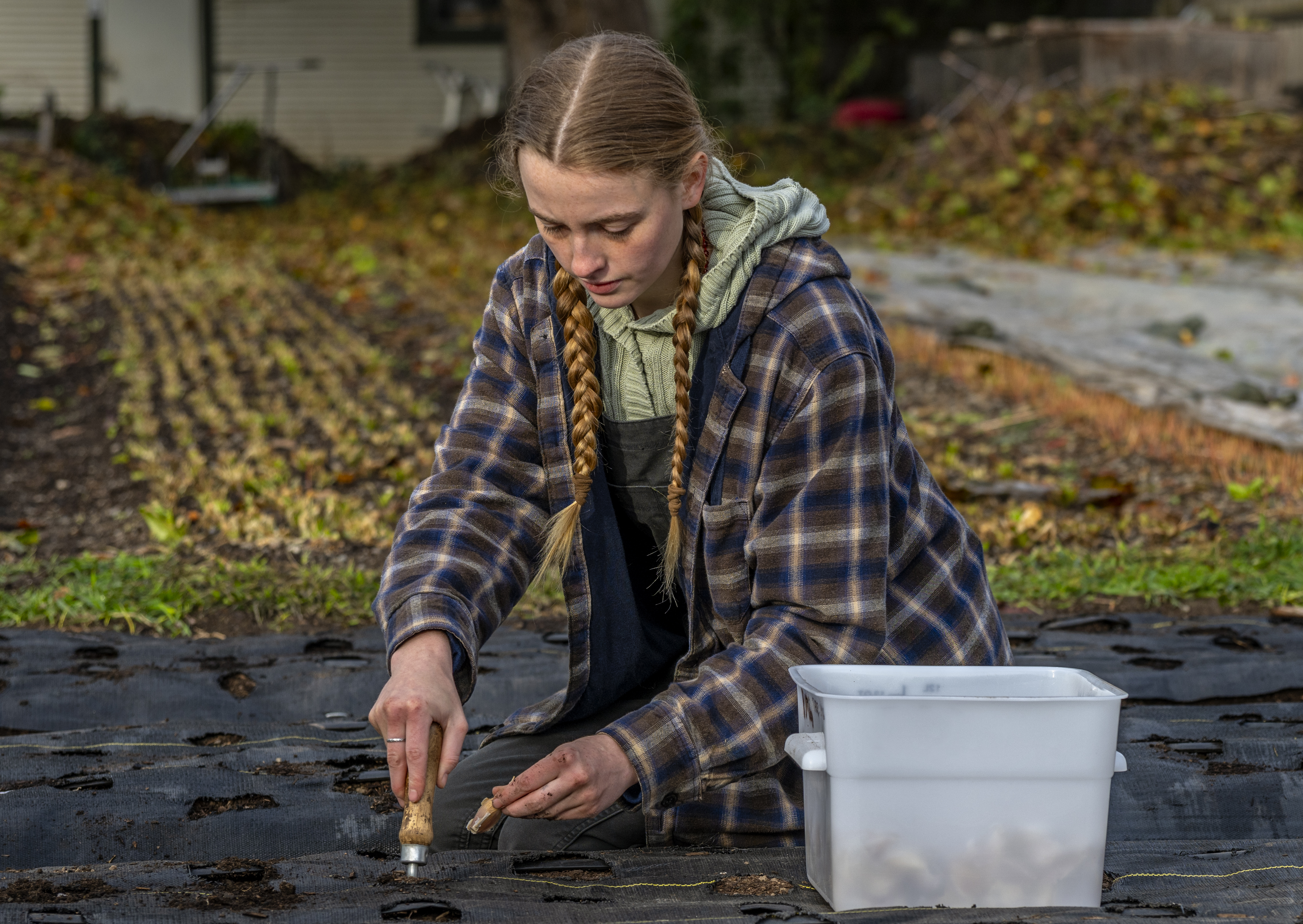
Garlic is one of the easiest crops to grow as well as a pantry staple for so many dishes and cuisines. Plant cloves in late September allowing them time to establish roots before the first frost. This bulb grows slowly in well-drained soil (like a raised bed) and thrives under a 6- to 8-inch layer of mulch protection from frost. Choose a hardneck variety and enjoy spring scapes before harvesting.
Onions and shallots are also slow-growing vegetables, and sets should be planted in autumn before the first frost. Compost and cover generously with mulch. Then, there’s not much else to do with these easy-to-grow bulbs. Harvest in the spring after their stalks begin to fall over.
Spring onions are classic alliums for overwintering. Plant your seeds just a few days before your Almanac’s first-frost prediction. Cover with compost and mulch and look for soft green shoots when the weather again begins to warm. Spring onions also produce tasty flowers that can be added to salads and hot dishes or dried and ground up into culinary salts.
Root Veggies
Carrots are probably the most common root vegetable for overwintering. Plant the seeds in light, sandy soil amended with plenty of rich compost early in the fall so they can get established as the temperatures drop. Place them 1/3 inch under the soil and pad them with mulch. In the spring, you have sweet carrots for the Easter bunny!
Story continues after a quick message from our sponsor below

People either love or hate beets. But if you do love them, these vibrant roots only get sweeter in the cold. Winter-cultivated beets can be harvested throughout the cold months and into the beginning of spring. Plant 2-3 weeks before your frost date. They can typically withstand temps down to 29°F unprotected. For best growth, plant in fluffy, loam dirt under protective mulch. Check for baby beets in about 6-8 weeks.
Greens
When it comes to cold-hardy greens, kale is king.Plant either before or after the first frost and harvest in stages throughout the winter. The cold only stimulates the flavor, although some varieties put on thicker leaves in winter. Plant ½-inch deep in rich soil and cover with a thick layer of mulch to protect the roots. If your temperatures get severe, throw a row cover over the plants.
Collards are similar to kale, and seeds can be planted before or after the first frost in composted soil rich in nitrogen. Cover heavily with mulch and expect leafage in the spring.
Plant chard seed justafter the last frost date instead of before. Andbeware of sudden warm spells in the fall that can stimulate early germination. You want a hardy spring harvest, not a stunted fall one.
Perpetual spinach is a perennial that you can cut and it will keep coming back for a long time. Sow seeds about 1-inch deep a week or two before your first frost date in nitrogen-rich, well-drained sandy soil. Mulch well and look for the first leaves in spring. Expect to get a lot of greens off of this plant, but feel free to discard if it eventually loses flavor or productivity.
Perennials
There are plenty of other edible and vegetable perennials that come back year after year. Planting perennials in your garden can simplify your planning, make growing easier year-round, and deepen your topsoil. Here are a few suggested tasty and attractive permanent plants to add to your garden.
Rhubarb
Asparagus
Artichokes
Sorrel
Ramps
Asparagus
Perennial Herbs (horseradish, lavender, rosemary, lemon balm, sage, thyme, mint, chives)
Successfully growing food through the winter depends on choosing the right plants, protecting them from the elements as needed and knowing what grows best in your climate. Always mulch and compost. If you have season extension tools, like row covers, cold frames or a greenhouse, make good use of them to keep your plants healthy and thriving. Be aware of extreme temperature changes. And don’t consider this a complete list. There are plenty of other vegetables that have winter-hardy varieties that can keep your table filled with fresh produce all year long. N
As seen in the 2025 Home and Garden edition
By: S. Michal Bennett