

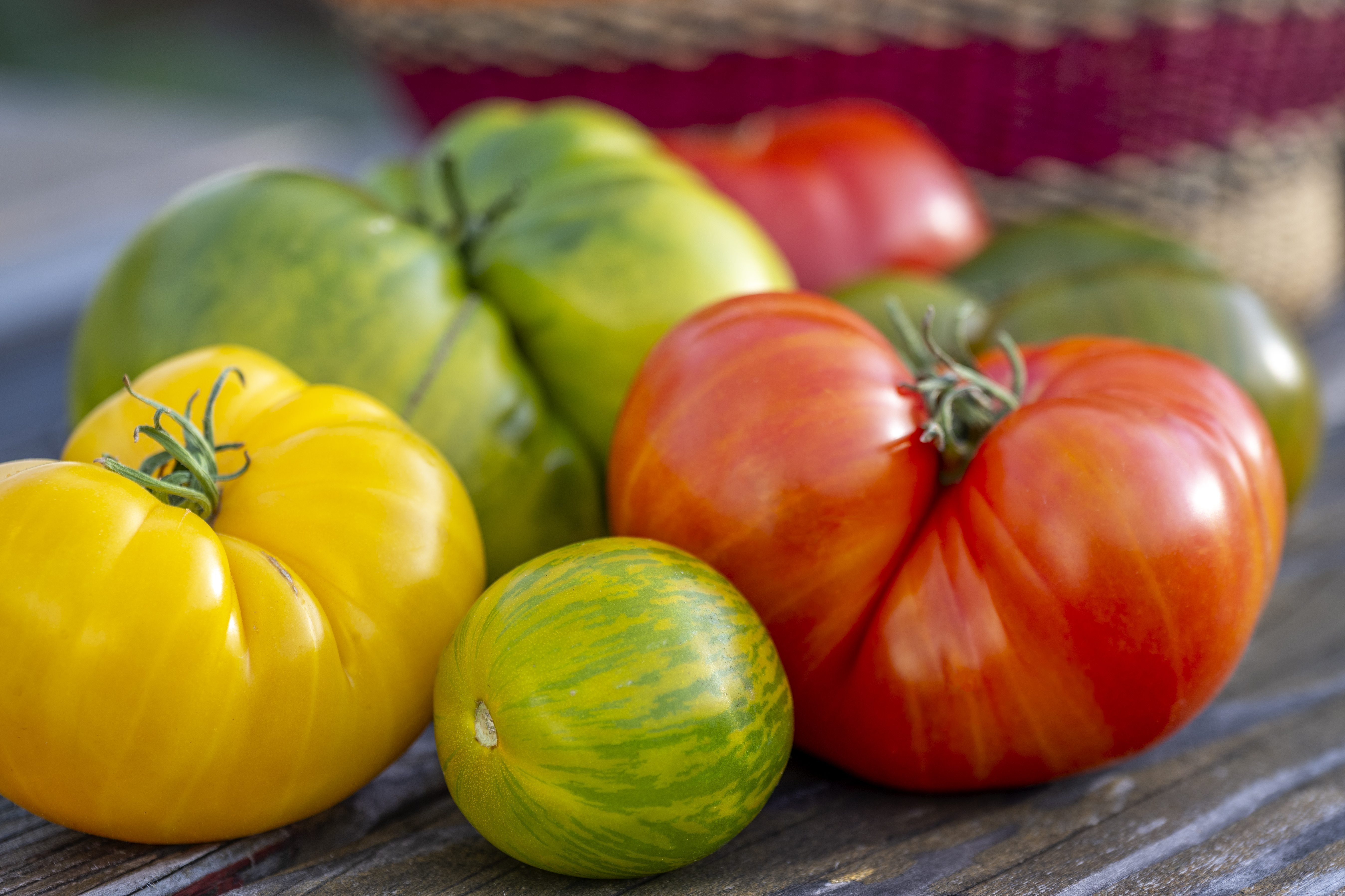
Heirloom vegetable seeds can be found in most seed catalogs these days, but the topic of heirloom varieties is a hot one. When it comes to plants, the term heirloom typically describes an old food cultivar that is or was produced by gardeners and farmers, and then passed down as seeds within families and communities. Heirlooms are also always open-pollinated, which is how they maintain their traits over time, and they have not been genetically modified. Heirloom fruit trees, like apples, plums and pears, are propagated through grafting and cutting.
Highs & Lows of Diversity
Prior to the 20th century and the industrialization of agriculture, many farmers and gardeners saved seeds and passed them down to succeeding generations. In fact, the word heirloom was first used in reference to plants in the 1930s by horticulturist J.R. Hepler to describe types of beans that had been inherited over multiple generations within families. During this time, the diversity of food plants and varieties was significant, and catalogs were filled with an abundance of vegetables and fruits. From Copper King Onions and Coral Gem Bouquet hot peppers to Wild Cucumbers and Oxheart Carrots, these catalogs read like a magical garden fantasy.
The commercialization and industrialization of agriculture after World War II prioritized high-production food crops grown on large, monocultural plots. In addition, hybridization introduced seeds that would stay within those plots, ripen at the same time, withstand mechanical harvesting, and tolerate the conditions of cross-country shipping. Progress also produced seeds coated with pesticides for better pest and disease resistance, as well as those crossed with other species to achieve certain desired characteristics (genetically modified). These developments have led to a 75% reduction in crop genetic diversity in the U.S. today.
Heirlooms Today
Heirloom plants are still commonly cultivated around the world, especially in third-world countries that still operate smaller, hand-worked farms and old-world countries that place value on heritage products and processes. Wild and native varieties of a multitude of foods are also managed for income and sustenance for families and small communities.
A few years ago, I spent a week in Africa. One day, we stopped the van and bought a bundle of bananas from a dusty boy selling them beside the dirt road. But these bananas didn’t look or taste like any banana I’d ever eaten. They were shorter than the length of my hand, heel to fingertip, their flesh was creamy and sticky, and they tasted like a banana colada. If we had access to varieties like that, I’d buy those stubby sweeties every day over the monoculture, thick-skinned fruits we know as bananas in the U.S.
Story continues after a quick message from our sponsor below

Hybrid vs. Open-Pollinated
Large-scale agriculture today primarily utilizes hybrid seeds for crop production, and a majority of conventional seed packets available through nursery catalogs or at garden and feed stores in the spring are also hybridized. Hybrid seed varieties are produced by crossing two different inbred lines and eliminating the plants ability to either produce pollen or produce seeds. If you do grow a hybrid variety that produces seeds, and you save the seeds and plant them next year, those next-generation plants will not look, taste, or grow true to the originals.
Open-pollinated plants depend on bees, moths, birds, bats, butterflies, animals and even the wind and rain for fertilization and pollination. Some are also self-pollinators and fertilize within the flower before it even blooms. Open-pollinated plants produce seeds that can be saved and grow true to their variety type through the generations.
Movement to Preserve Heritage
A subculture of conscientious growers and gardeners have made efforts to preserve heirloom and heritage seeds and varieties. And in recent years, this interest and value has grown in preference and popularity. Garden Organic in the United Kingdom maintains the Heritage Seed Library, a “national collection of heritage vegetables” that “aims to conserve vegetable varieties that are not widely available.” To order seeds, you have to be a member, and each year, they test a handful of seeds for quality, characteristics, and viability.
In the United States, seed banks like the Alliance of Native Seed Keepers, as well as small heirloom companies, like Baker Creek and Rare Seeds, are keeping the heritage alive. Larger companies, like Johnny’s, Select Seeds, and Burpee offer both heirloom seeds and commercial heirloom seeds (seed company cultivars from the 1970s or earlier that were saved, maintained and handed down) for gardeners and farmers alike.
While seed saving is another extensive conversation, present access to heirloom varieties makes gardening exciting and adventurous. Here are some very convincing reasons to grow heirlooms this year and continue the preservation of heritage foods:
- They have a complex, delightful flavor.
- They grow true to type, and the seeds can be saved for planting and saving money next year.
- They preserve distinctive flavors, shapes and colors. Think “weird” tomatoes!
- While debatable, some claim heirlooms may also have higher nutritional value.
- They preserve diversity in food crops and genetic variation for future generations.
- They preserve the rich history of gardeners and nurseries in different regions. N
As seen in the 2025 Home and Garden edition
By: S. Michal Bennett