

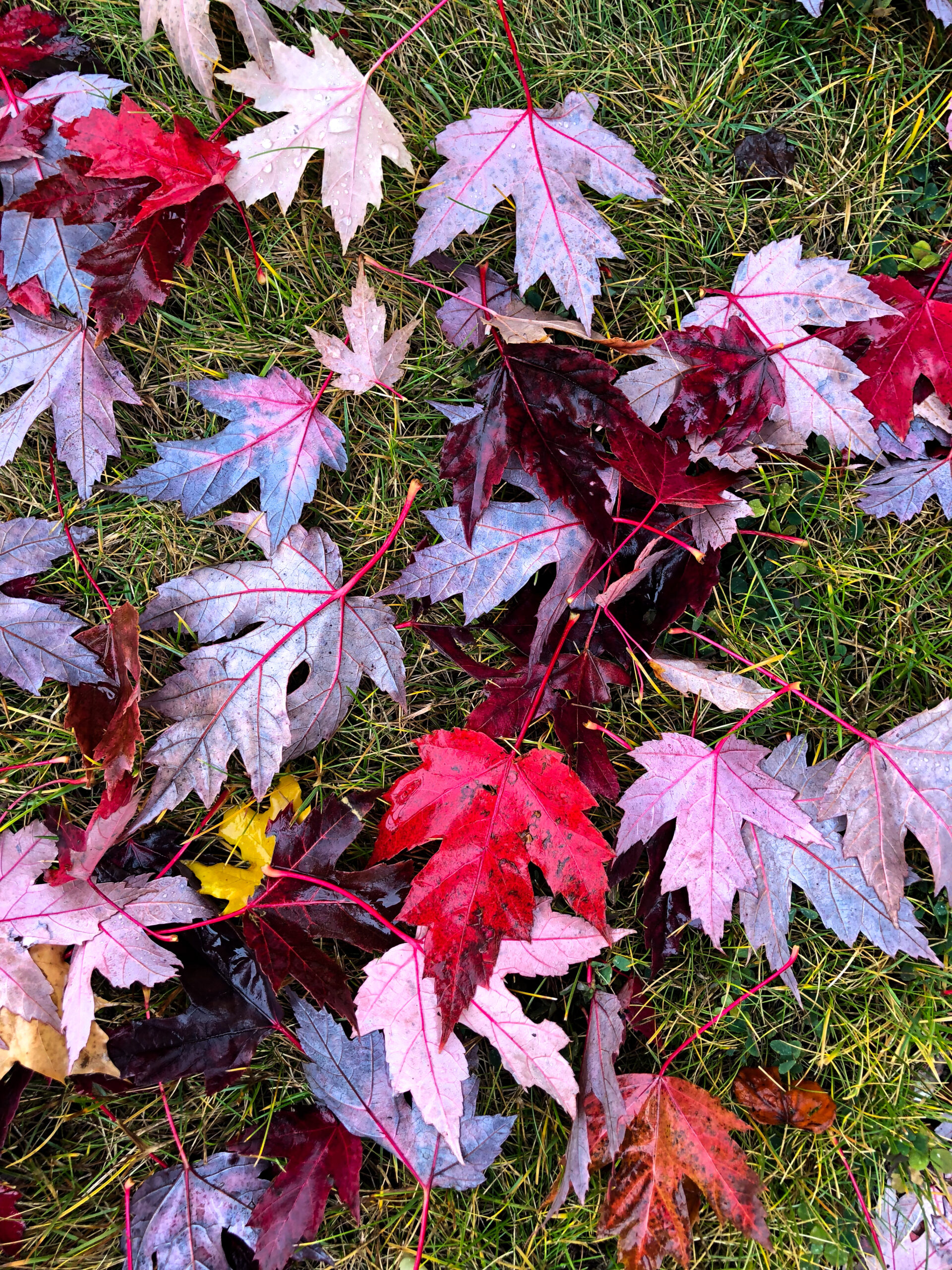
The thought of raking or blowing and then bagging leaves in the fall may stir up mixed feelings for you. The crisp air tinged with warm light frames the joyful tradition of jumping into a pile of leaves with your kids. But remembering the hard work you put into making that pile, remaking that pile and then bagging that pile may raise your blood pressure a bit. Still, you do it every year, so you don’t kill your grass and it looks neat and tidy in the spring. Isn’t that what’s best?
This past year, our city experienced a classic fall filled with epic leaf colors that continued to drift to the ground well into November. And I heard more and more people asking, “Should I leave my leaves this year?” Let’s explore that!
Story continues after a quick message from our sponsor below

No, rake ‘em!
- If you have a lot of trees, that thick, excessive leaf cover can smother grass and inhibit growth if not removed in early spring.
- Thick coverage can also promote snow mold diseases and fungus.
- Critters can burrow under it during the winter and damage the turf.
Yes, be lazy!
- If your coverage is light and you can spread it out, say 10-20%, your grass still has room to breathe.
- Some leaves help fix nitrogen in the soil.
- Mulching leaves can help control weeds.
Keeping your leaves within your property’s ecosystem can help improve your property year after year. Here are three outside-the-bag ways you can utilize fall leaves for lawn and garden health:
- Rake or blow them into a compost pile.
- Mow them into a bag attachment and compost with grass cuttings.
- Mulch into small pieces with a mower or specialized mulching mower.
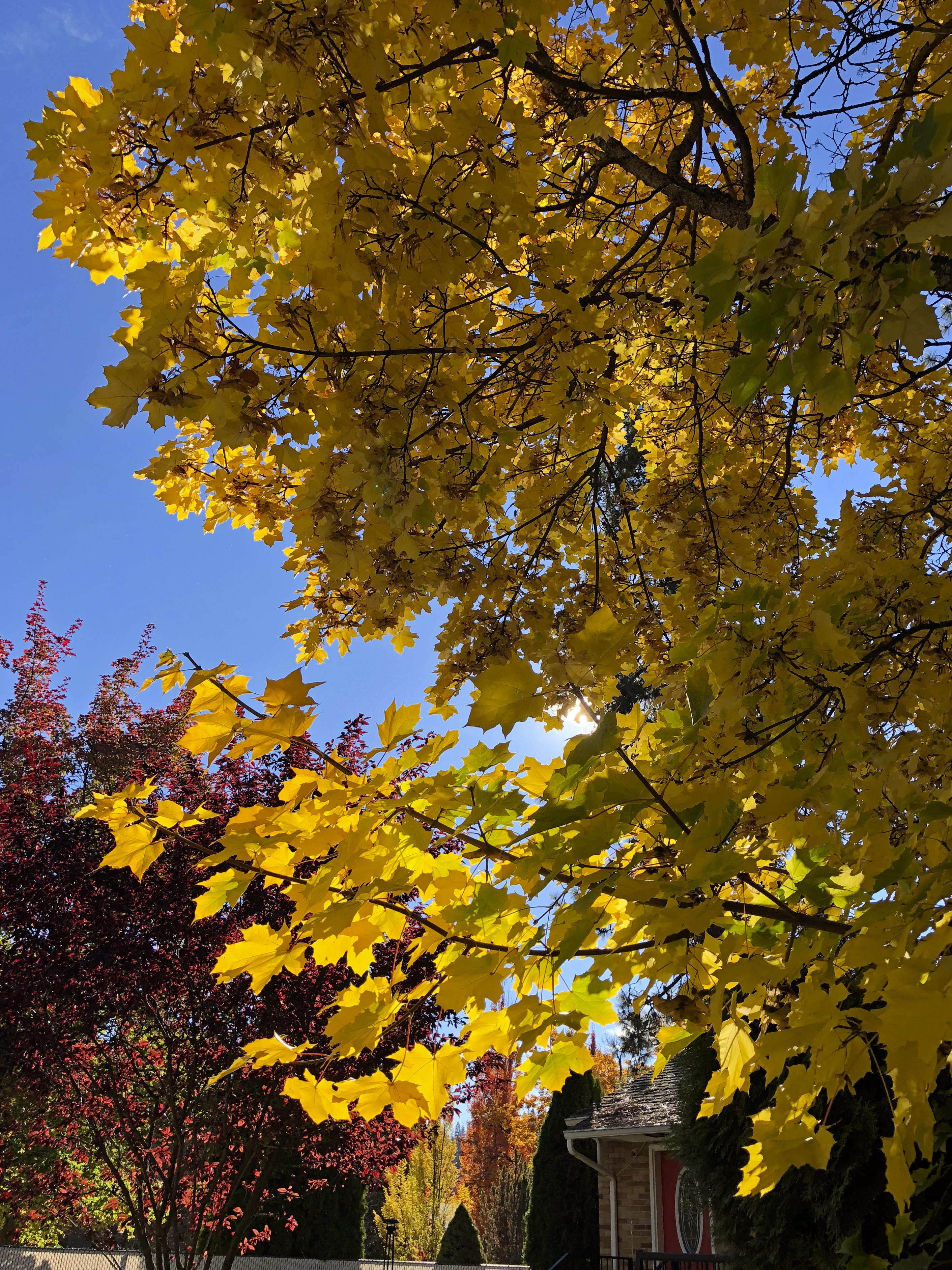
Trees with Nitrogen-Fixing Leafage
Silver Maple
White Birch
Southern Magnolia
White Mulberry
Crape Myrtle
Mulberry
Oak Trees
Locust and other Legume Trees N
As seen in the 2025 Home and Garden edition
By: S. Michal Bennett