

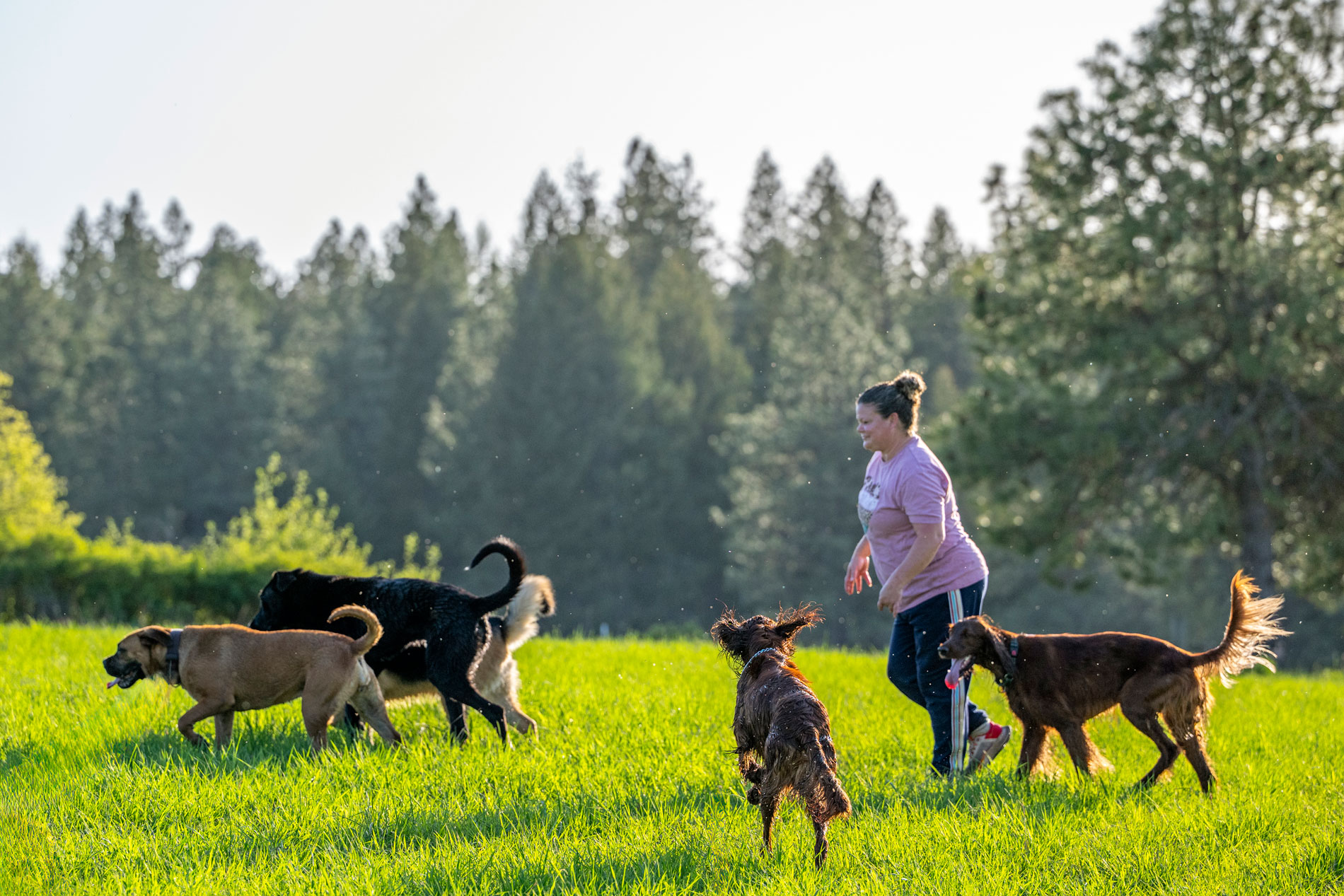
Angie O’Neill knows she can’t save all the dogs. But if she can find homes for at least some of the unwanted pooches out there, she will have made a difference.
“I save one life, four paws at a time, over and over,” she said. “I concentrate on each dog in my care until I find its perfect match in an adopter. As a rescuer, you have to know your limits — you can’t save them all, but the ones you save are everything.”
Since 1999, O’Neill has been a key part of Second Chance Pet Rescue, a non-profit organization based in Coeur d’Alene that brings dogs to North Idaho and finds them homes. Dogs can come from overcrowded shelters, people unable to care for their dogs anymore, or requests from other rescue organizations.
O’Neill learned to be choosy and has created an effective process for screening applicants. She also learned to set personal and professional boundaries, which means sometimes declining well-meaning requests from shelters or individuals trying to persuade her to find room for just a few more dogs this week. And the next week. And the next week…
“You really do have to steal your heart sometimes,” she said. “You can get emotionally exhausted easily. It’s draining. I’m still here for the dogs, but I’ve learned to be professional about it.”
She’s also seen good-hearted people, who want to help all the dogs, learn how difficult the process can be. Burnout is common, often within a few years.
“Rescue work isn’t an easy thing to do,” she said.
How it works
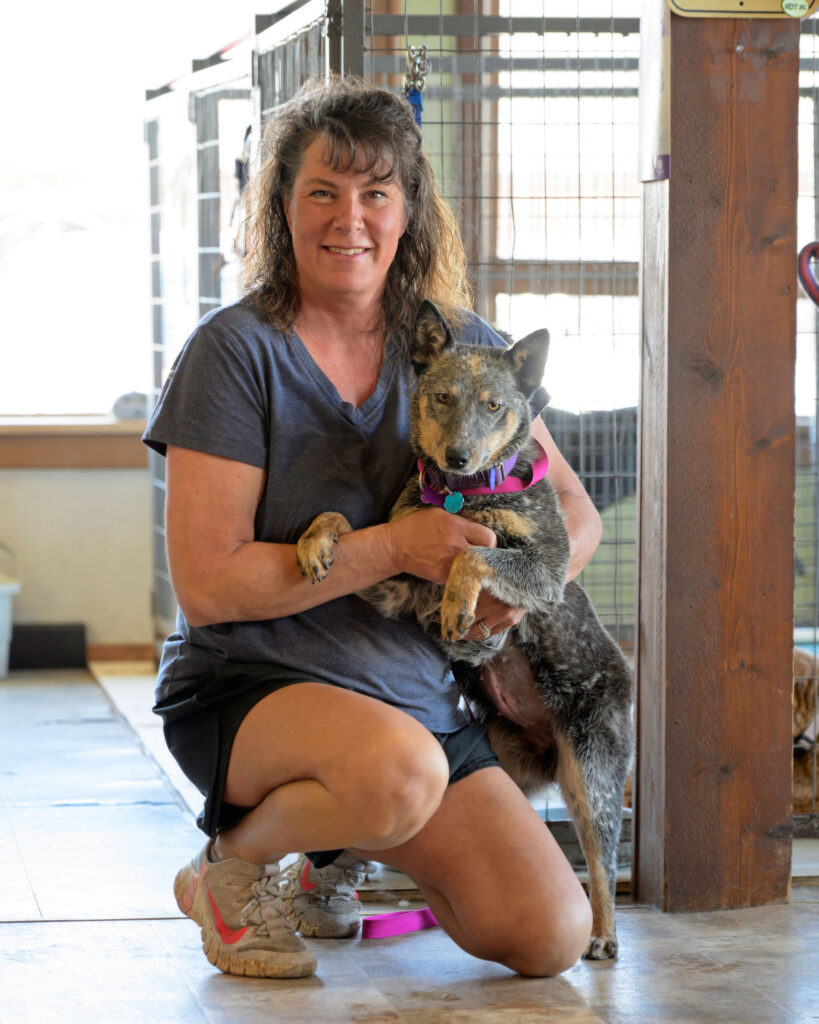
Second Chance is a recognized rescue organization, which means it sometimes gets calls from organizations or people with dogs who need homes. Some busy shelters have strict policies of euthanizing dogs if they remain past a certain point, sometimes as little as a month.
Shelters that choose not to kill, however, face other population challenges. Dogs and cats could potentially stay there for years, increasing costs and crowding.
Second Chance works with any organization but currently has good relationships with a shelter in Utah and one in Jerome, Idaho. Each week, O’Neill gathers information about pets at these shelters, makes a list of possibilities, and coordinates with an organization called Idaho/Montana Animal Transport for pick-up and delivery.
“We have a group of volunteers who drive 100-150 miles to make the two-day trip,” she said.
Once a dog arrives in North Idaho, Second Chance makes sure they’re microchipped, spayed/neutered, and receive vaccinations and medical care. Dr. Nicole Leonard from Companions Animal Center provides these services at a reduced rate.
Story continues after a quick message from our sponsor below.

Dogs are placed in foster homes or with other Second Chance volunteers. Then, O’Neill looks for a match.
Adoptees must have a fenced backyard and be at least 25 years old. Renters need written permission from the landlord and must have at least a one-year lease. Home inspections may be requested.
O’Neill wants to make sure prospective adoptees are aware of the commitment. A dog typically lives at least 12 years, so it may not be the best choice for someone unsure about their short-term financial situation, living situation or domestic situation.
Adoptees are required to sign a contract. And while adoptions are always returnable if something changes, she’s proud of the low rate of this happening.
“There’s no such thing as a free puppy, and once you make the commitment, you have to honor it,” she said. “Make good life choices to protect your furry friends, like you would your child.”

How it started
Second Chance was founded in the mid-1990s, and O’Neill became part of it in 1999. She had just opened Angie’s Groomingdales, a grooming service in Coeur d’Alene, and Carol Kinsey, one of the original founders, contacted her.
“Carol asked if I would be willing to groom dogs, especially to get the longer-haired and matted ones cleaned up,” she said. “I was happy to donate my time, and then one day she asked if I would keep a border collie and foster it.”
O’Neill wasn’t familiar with the foster process but was happy to help.
“It was so fun that I did another and then another and then another,” she said. “Before I knew it, the years had gone by and most of the original founding women had burned out, aged out or passed on. Eventually I found myself in charge.”
For a long time, O’Neill was coordinating everything, with the support of family, friends and longtime volunteers and foster caregivers. But recently, Erin Willard came on board to help with accounting as well as open her home for animals. Gigi Grant also helps with administrative duties.
Willard has known O’Neill for nearly 20 years and started as a foster caregiver.
In the past, she adopted through another rescue organization but found the process to be overly complex.
“That one required two or three meetings, home visits and more. It went on for weeks,” Willard said. “People got tired, and dogs got tired. Here, if you meet the basic requirements and everything checks out, you can take home a dog that day. Or, you may not qualify even if you applied.”
She said O’Neill does a thorough job of investigating and matching prospective owners and has also created a great village of supportive volunteers.
Get involved
O’Neill is sometimes asked if Second Chance could grow to help even more pets. She hopes not.
“I decided many years ago it would just be best to stay very small, and I’ve become extremely efficient, so that’s what I did,” she said. “I don’t think people really understand the difficulty of dealing with the fine balance of juggling family/spouses, your own pets and a constantly revolving door of rescue dogs. So many people want to save them all, or adopt them all. Neither is realistic.”
For people who aren’t sure about their commitment, O’Neill and Willard suggest trying fostering first. Shelters or rescue organizations may even pay for veterinary care, pet food and supplies.
O’Neill loves hearing from past adoptees, especially those who want to adopt again.
She also continues to encourage everyone to spay or neuter their animals, which cuts down on the animal population and helps maxed-out shelters.
“We just keep plugging away,” she said. “I haven’t been part of any huge undertakings of dogs like with hurricanes or fires. That’s not for me. Small, private, one at a time. That’s the way to stay sane.”
To learn more visit https://www.petfinder.com/member/us/id/coeur-d-alene/second-chance-pet-rescue-id06/ or https://www.facebook.com/profile.php?id=61556780722067
As seen in the 2025 Summer/Fall edition
By: Joe Butler
Photography by: Joel Riner