

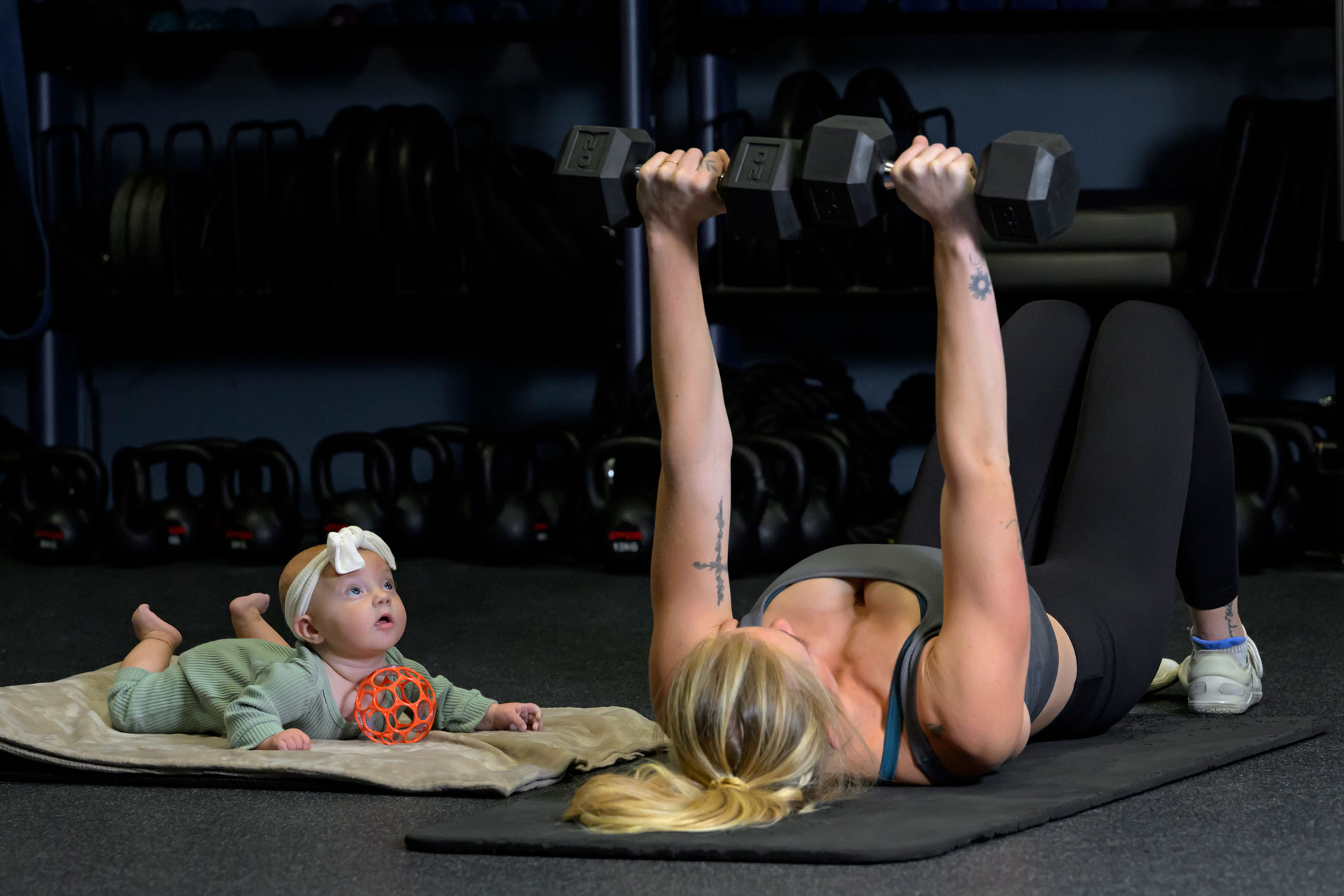
When I became a mother, one of my biggest fears was losing the fitness routine that had always been part of my life. I’d heard countless stories about the lack of time, energy and motivation that often comes with caring for a newborn. Pregnancy and postpartum are full of unknowns, and I didn’t know what to expect from my body — or my schedule — on the other side.
Growing a baby is an intense, ever-changing process. Your hormones, body and energy shift faster than you can keep up. Pregnancy changes how you move, and postpartum changes it all over again. But through each stage, I was amazed at how capable the body is. The postpartum period felt like meeting a new version of myself — one that was different, but still strong.
1. Recovery allows the body to repair damaged tissues, replenish energy stores, and reduce muscular fatigue. When we exercise, we are breaking down our tissues in the process of rebuilding them, recovery supports the rebuilding part.
2. It supports mental recuperation, enhances skill development and fosters long-term progress and wellbeing. Daily recovery strategies allow us to keep performing our best and achieve the progress we desire.
3. Muscle growth occurs during recovery, not during the workouts. Muscles develop when the body responds to the damage sustained during exercise.
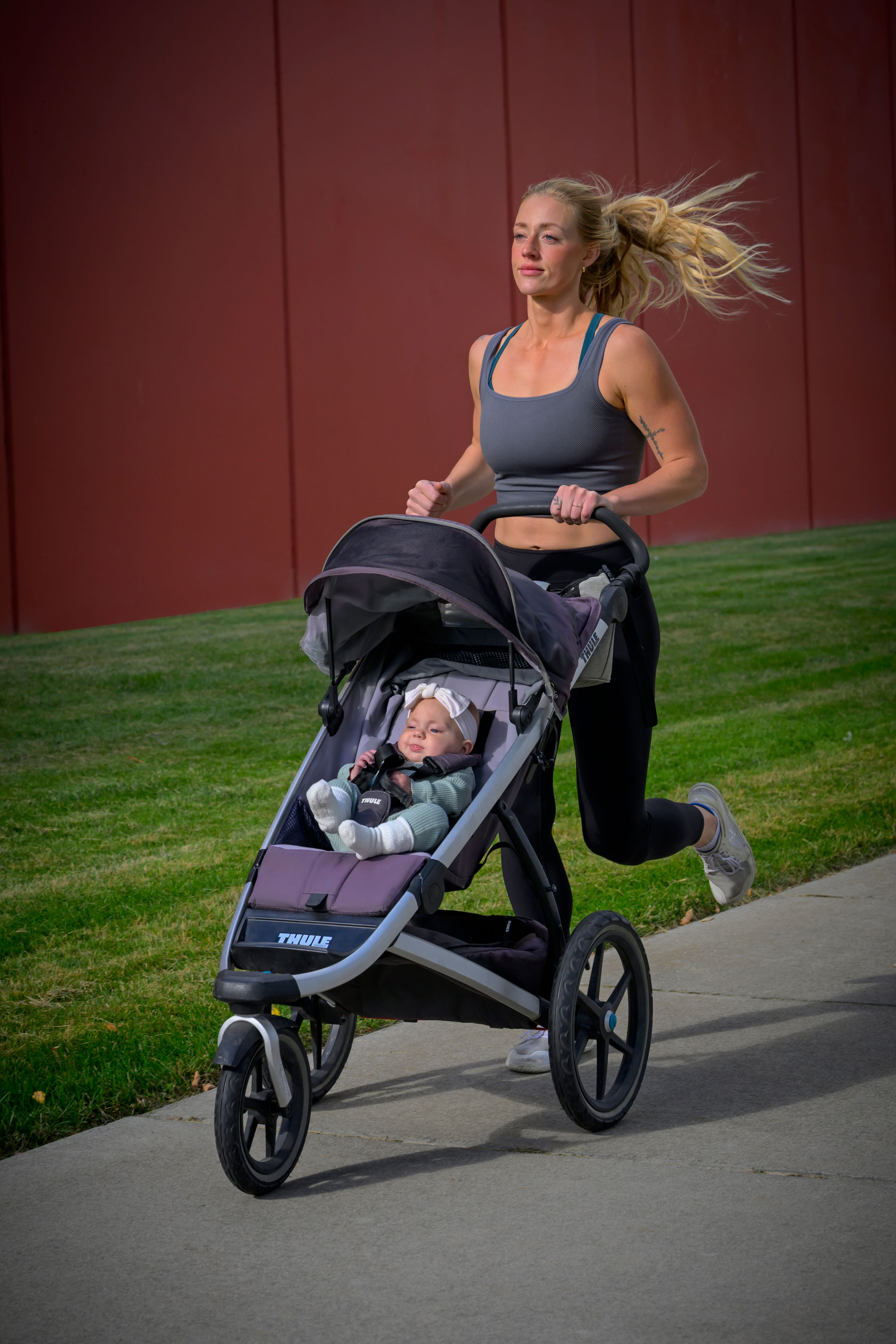
Powering down the path, she keeps her stride strong while pushing her baby in a jogging stroller, combining outdoor fitness with quality time together.
Where to begin
The hardest part about getting back into shape can be knowing where to start. Begin with breathwork and reconnecting with your core. After pregnancy and birth, the abdominal and pelvic floor muscles need time and retraining. Working with a pelvic floor specialist — or researching core rehabilitation — can help you learn how to properly engage your deep core through breathing exercises. The best part: You can start this anytime, even while holding your baby.
Once you’ve been cleared by your healthcare provider (usually around six weeks postpartum), begin adding gentle bodyweight movements — squats, lunges, step-ups, pushups and planks — while keeping that mindful breathwork in place. Daily walks are also invaluable for both mental and physical health. There are great postpartum apps, online programs and specialists who can guide you through safe progressions.
As your strength and confidence return, you can add resistance bands or light weights. Listen closely to your body — progress should feel challenging but never depleting. If you finish a workout feeling weaker or sore in a concerning way, scale back. Recovery is part of the process.
Make it work with your baby
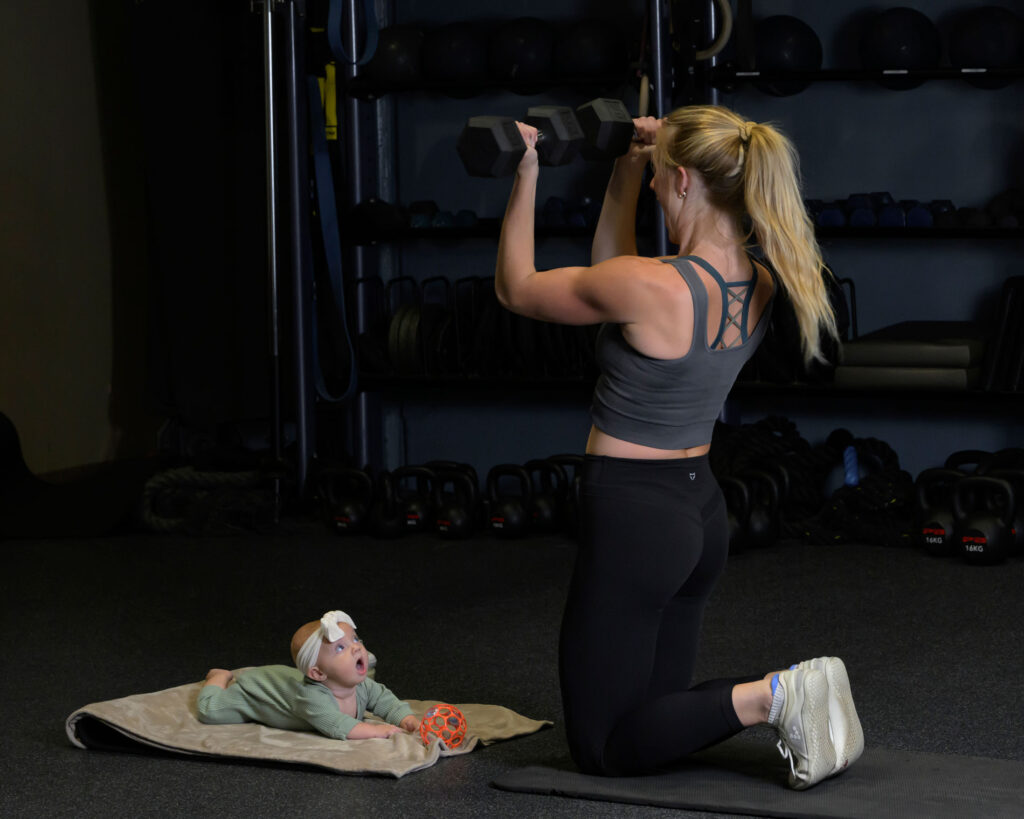
Movement doesn’t have to happen away from your baby. Keep a mat and some light weights nearby so you can squeeze in a quick circuit during tummy time or while your baby is in a swing. Ten minutes here and there truly adds up.
If possible, invest in a running stroller. You don’t need to be a runner to use one — these strollers make it easier to walk or jog on different terrains and have been one of my favorite ways to rebuild endurance postpartum. A 20-minute walk or jog each day can boost your mental health, improve fitness and even soothe your baby. It’s a win for everyone.
Mindset matters most
Postpartum life brings new challenges: sleepless nights, hormone shifts, stress and limited time. While caring for your baby is your top priority, remember that taking care of yourself is equally important. Your health directly supports your baby’s well-being.
Remember these key points for staying active with a newborn:
1. Less is more. You might not have long workout windows, but short, consistent sessions make a big impact. Focus on quality over quantity and commit to showing up, even briefly.
2. Do what you can. If you only have 5% energy, give that 5% fully. Consistency builds discipline and momentum. Some days you’ll surprise yourself with how much more you can do once you start.
3. Give yourself grace. Your body just did something incredible. It may take months to rebuild strength, and that’s okay. Progress at your own pace.
Starting again may feel like a step back, but in reality, it’s a step forward toward an even stronger, wiser version of yourself. Motherhood doesn’t mean letting go of fitness — it means redefining it. N
Amanda Rohde is certified in personal training, nutrition and Pilates.
As seen in the 2026 Winter/Spring edition
By: Amanda Rohde
Photography by: Joel Riner