

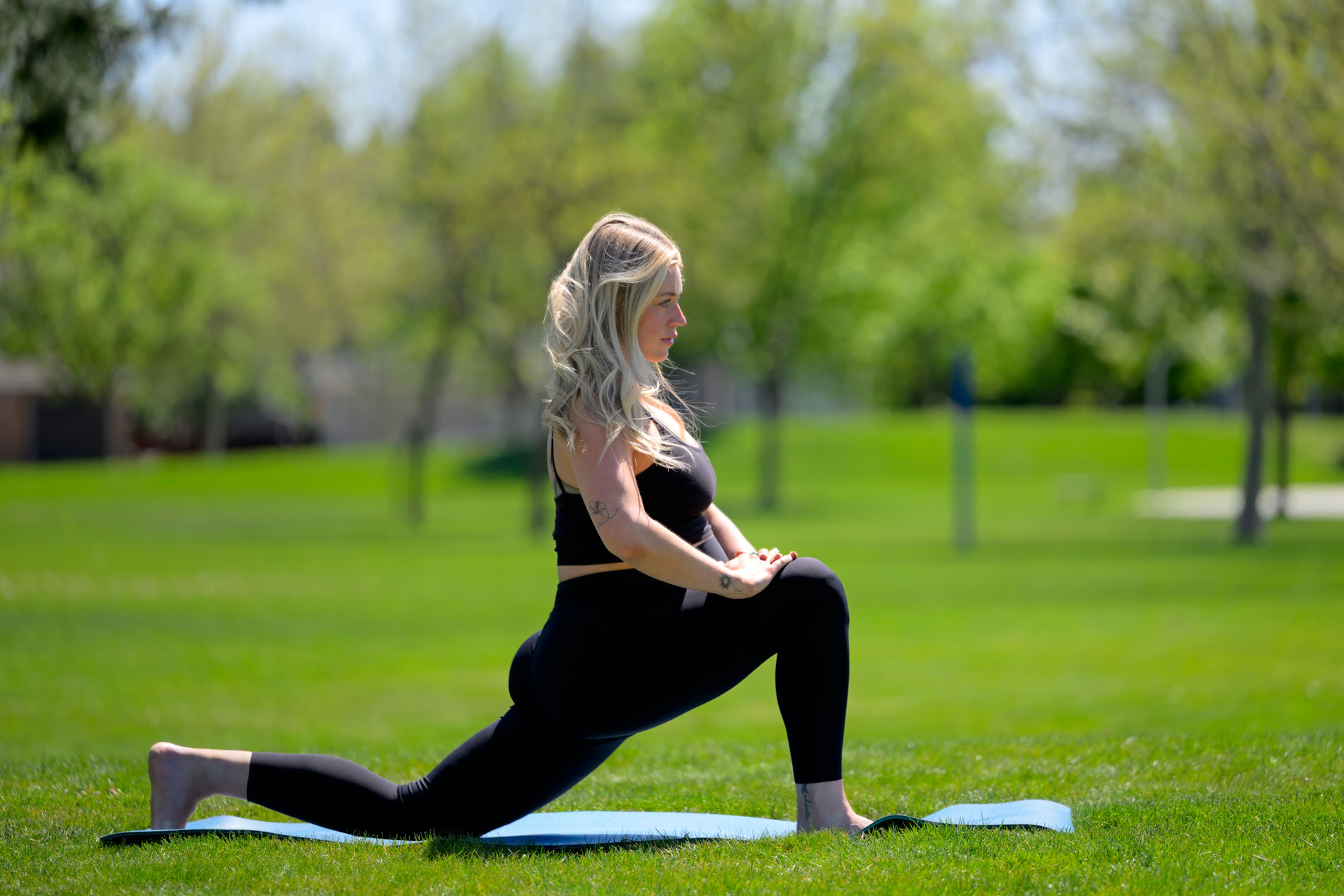
Recovery: It’s fully necessary, it’s incredibly underrated and it’s hardly ever talked about.
In this case, we’re talking about post-exercise recovery, which is the time after a workout when
you allow your body to rebuild muscle and repair itself. This can be done through a variety of
mechanisms such as consuming protein and creatine, hydrating, stretching and moving, and
many other methods. Most often in question is why focus on recovery, what does recovery even look like and how much or how often do you do it? Let’s dive in a little deeper.
Like exercise itself, it takes time to perform recovery and because of that, it is often put on the back burner. Skipping recovery is a disservice, especially after investing time and effort into training our bodies. So let’s first address why it’s so important to allow our bodies to recover from a workout.
Benefits of recovery
1. Recovery allows the body to repair damaged tissues, replenish energy stores, and
reduce muscular fatigue. When we exercise, we are breaking down our tissues in
the process of rebuilding them, recovery supports the rebuilding part.
2. It supports mental recuperation, enhances skill development and fosters long-term
progress and wellbeing. Daily recovery strategies allow us to keep performing our
best and achieve the progress we desire.
3. Muscle growth occurs during recovery, not during the workouts. Muscles
develop when the body responds to the damage sustained during exercise.
Story continues after a quick message from our sponsor below.

What recovery looks like
Recovery is multi-faceted. There are different types of recovery and different times in which one is more effective than another. The key is narrowing down what mechanisms are for you. Recovery for a triathlete is not going to look the same as recovery for someone who goes to the gym three times a week to maintain their health and fitness. But what can be performed no matter what your level and on a day-to-day basis, is hydration, nutrition and stretching/mobility.
Hydration is critical for a variety of reasons. For recovery, it maintains body functions, helps your body to maintain strength and endurance and reduces fatigue during physical activities. Hydration keeps the electrolytes balanced, which plays a crucial role in our fluids, blood pressure and nerve function.
Nutrition is another key factor of recovery. When we exercise, we are breaking down our
muscles, which cause tiny tears. Protein helps to repair and rebuild our muscles. Something also found in protein sources but can be taken alone as well is creatine. Creatine is currently a hot topic for good reason. In regards to recovery, it aids muscle regeneration and growth, which leads to faster recovery and reduced muscular soreness. It also increased muscular glycogen levels, which keeps energy stores elevated between workouts.
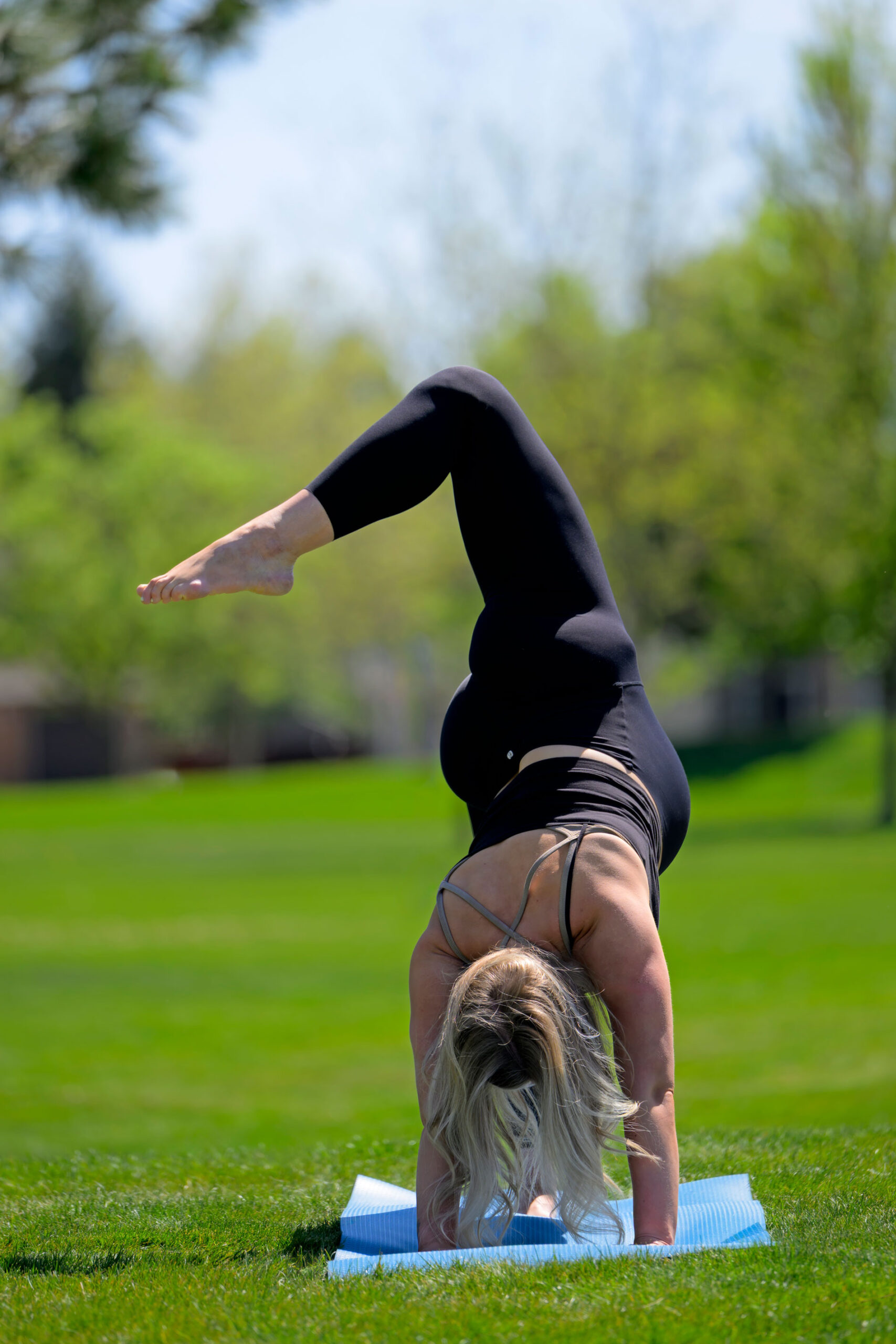
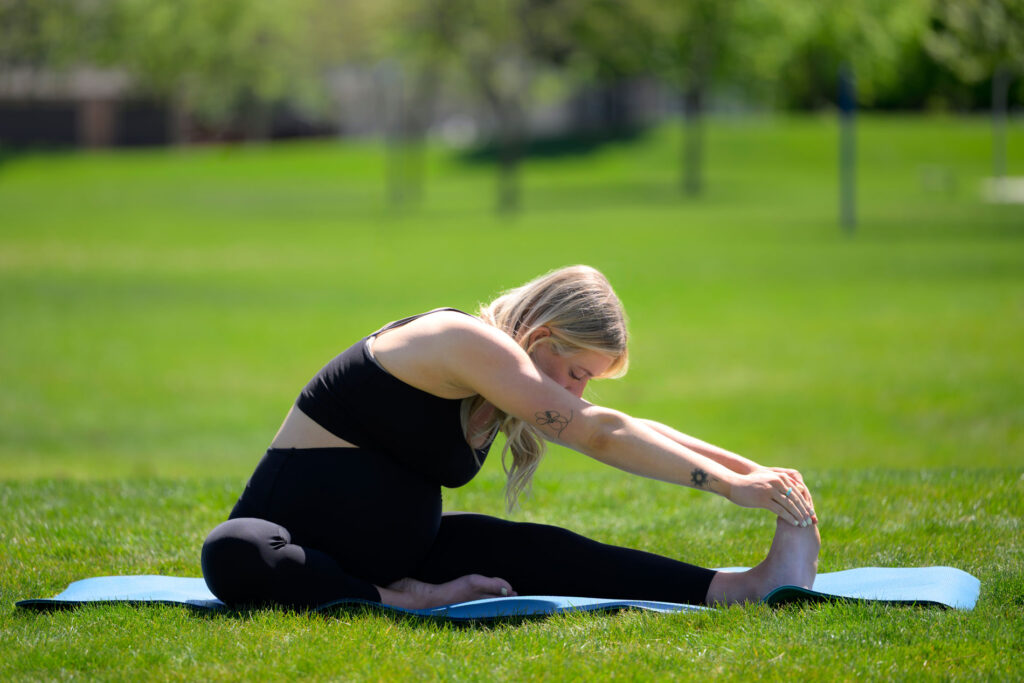
Motion is lotion: That means stretching, mobility and active recovery. Stretching and mobility is most definitely not just for when you are sore, it should be a daily habit. Stretching keeps things in check, it reduces tension and stress, improves circulation and range of motion, and overall reduces recovery time. When it comes to working out, the more mobile you are the better range of motion that can be achieved through exercise. And that translates to more effective workouts and reduced injury and stress to the ligaments and tendons.
There are a plethora of trends for recovery: sauna and cold plunge, cryotherapy, redlight therapy, massage, chiropractic, acupuncture and dry needling and many others. These methods are all wonderful, but there is a time and a place for them and likely not things you can do every day.
Bottom line, find whatever recovery method works for you and be consistent. And for greatest success always remember to hydrate, eat well and stay moving.
Amanda Rohde is certified in personal training, nutrition and Pilates.
As seen in the 2025 Summer/Fall edition
By: Amanda Rohde
Photography by: Joel Riner