

Close Menu
    Nspire Magazine – Pacific Northwest Living
    Subscribe to Nspire Magazine
    • Adventure
      1. Hiking
        • Oregon
        • Montana
        • Washington
        • Idaho
      2. Travel
      Featured
      March 17, 20250

      Grizzly

      Recent
      March 14, 20260

      Tamanawas Falls

      March 13, 20260

      Hiking in Switzerland

      March 3, 20260

      Living the River Life

    • Food
      1. Dining Guide (curbside)
      2. Recipes
      3. Ingredients
      Featured
      March 19, 20250

      Cocoa Rubbed Steaks with Bacon Brussels Sprouts

      Recent
      March 13, 20260

      Apple Cider Whiskey Warmer

      March 10, 20260

      The Great Western Huckleberry

      March 10, 20260

      Pork Loin with Huckleberry

    • Home
      1. Builders Guide
      2. Organic Gardening
      3. Real Estate
      Featured
      March 20, 20250

      Modern Meets Rustic in this Stunning Black Rock Home

      Recent
      March 13, 20260

      Special Touches for ‘Forever Home’

      March 10, 20260

      Garden to Table

      March 3, 20260

      Charming Greenstone Farmhouse

    • Lifestyle
      1. Arts
      2. Conservation
      3. Fitness
      4. Nspired
      Featured
      March 20, 20250

      Weighing In

      Recent
      March 13, 20260

      Wildfire and our forests

      March 12, 20260

      This Old House Adam Schluter

      March 10, 20260

      North Idaho Women

    • Expert Tips
    • Gear
    • Events
      • Calendar of Events
      • Nspire Wedding
    • Subscribe
    • Group Tours
      • Charter Bus
    0 Shopping Cart
    Nspire Magazine – Pacific Northwest Living
    0 Shopping Cart
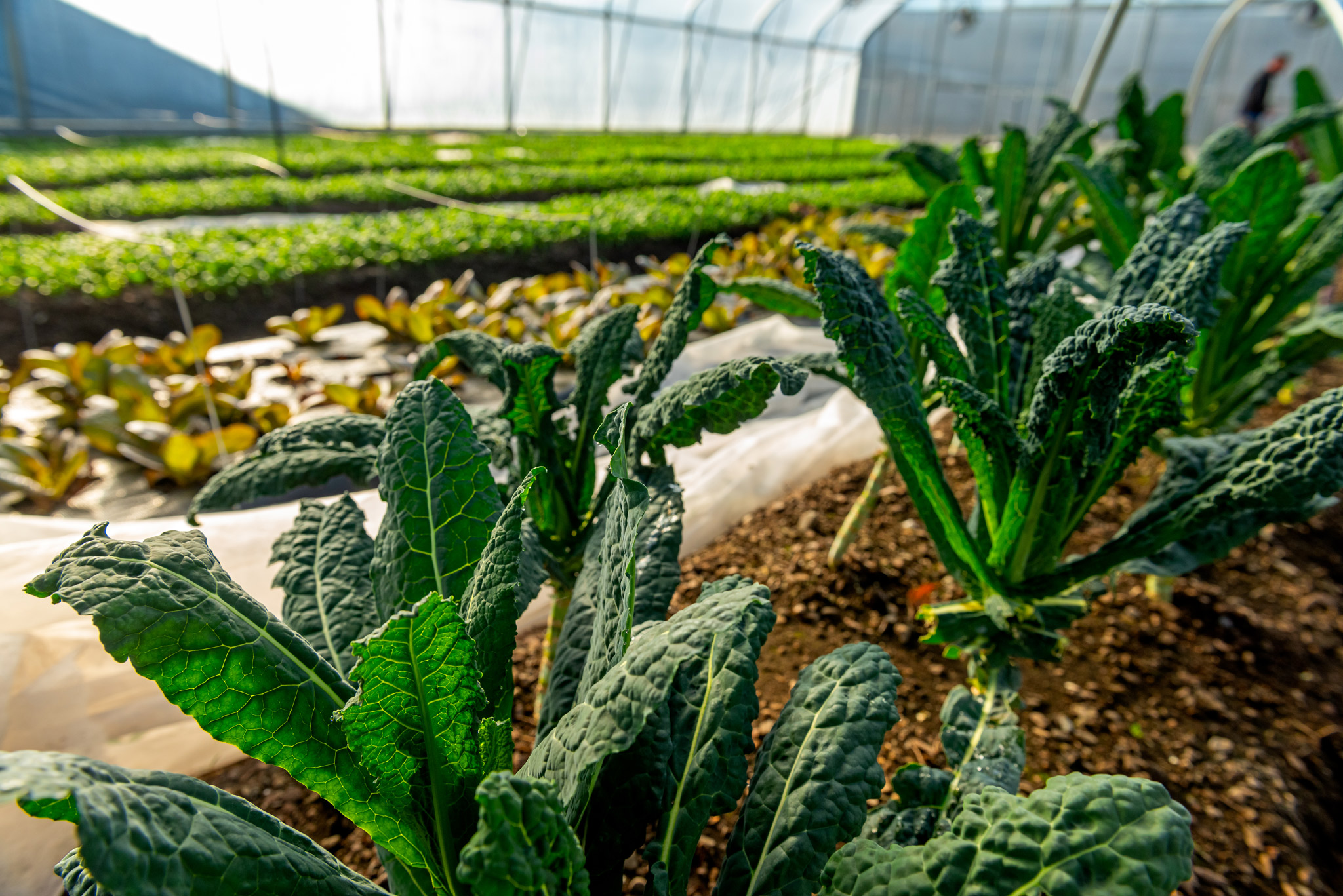
    The local food movement is made up of people who choose foods that are grown or farmed in the area or region where they are sold and prepared.

    Food for Thought

    0
    By Nspire Magazine on September 19, 2021 Conservation

    Food. It’s one of three elements that sustain life. And, like water and air, it’s often taken for granted. We shop and cook and dine without much thought to where our food comes from and how it is produced. Convenience is often priority, and our food and drink industry rises to meet the demand.

    Food is also emotional. We connect relationally, culturally and intimately over food and cooking. We have phrases like “comfort food” and “my go-to drink.” We crave, diet, portion, indulge, reward, deny, mourn, celebrate, review, resign, show love and seek acceptance through food. Our physical appearance is partially shaped by what we eat and drink, and our health and wellbeing rely heavily on our diet.

    In fact, modern research has proven that food can act as medicine as well as disease, either healing or harming our bodies and minds. Whole foods, at their roots and stems, contain nutrients, amino acids, fats, fibers, antioxidants, vitamins and other components that can impact our physical and mental processes. Omega-3 essential fatty acids, especially those sourced from cold water fish, have been shown to be beneficial for memory, brain function and heart health. Dark berries like blueberries, cherries and acaiare linked to weight loss and lowered risk of heart disease and inflammation.

    In recent years, with the health of the Earth, its processes, water, soil and air suffering from accumulated pollutants, a spotlight has turned onto food, where it comes from, how it’s produced, and how we can grow, shop and eat more sustainably for the sustenance of future generations.
    It’s a big question, largely be-cause the environment, animals and humans rely on plants and natural resources for nourishment and balance.

    “The environmental impact of our appetite for global resources has caused 90 percent of water stress and biodiversity loss, 50 percent of the impact of climate change, and one-third of our polluted air,” stated chair of the Forum for the Future of Agriculture, Janez Potoˇcnik, during his opening speech at the 2019 annual event.


    Story continues after a quick message from our sponsor below.


    WHAT FOOD ONCE MEANT
    There was a time in antiquity when seeking, hunting, gathering, cooking and eating food was merely a mechanism of survival. However, as a human, I can imagine that we would not have the foods and flavors we have in modern times if people somewhere in our history had not exercised their imaginations and developed culinary skills.

    Food was simpler and people found ways to make it last longer, particularly through the long months of winter when nothing grew in the frozen ground. They learned to store, cure, dry and preserve. They pooled their resources, saved seeds, battled with nature, nurtured what little they had and created communities around successful agriculture, ranching and fishing.
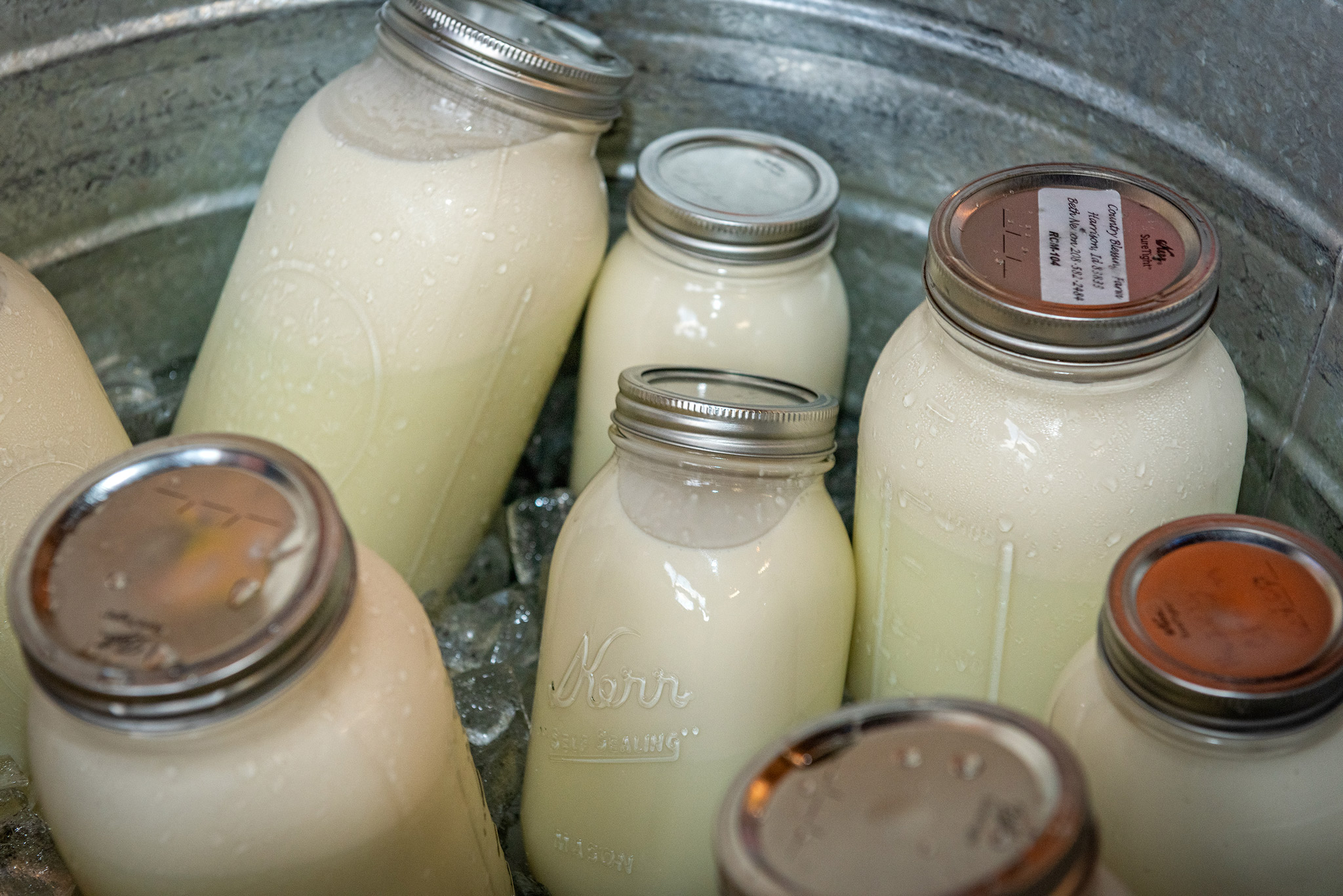
    By Supporting small local dairies, we can help mitigate the environmental impact and often “acceptable” inhumanity of the commercial dairy industry.

    WHAT FOOD MEANS NOW
    The cycles of history show us that greed for money, power and comfort eventually move in and push aside the essentials of existence, regardless of country, creed, culture or religion. Industry and technology boom. Our desire for more, right here, right now grows. And food, along with its home, the Earth, suffers in a multitude of ways.

    Agriculture is the world’s largest industry. To increase production, farmers have been practicing in-tensive agriculture since the 1960s. This kind of agriculture uses a lot of money and labor to increase yields on smaller acreage. However, this practice impoverishes the soil and contaminates the environment.

    Land use is considered a massive environmental factor. Natural habitat, plants, water and balance are destroyed or inhibited to make way for our appetites. The food that gets the most slack in this aspect is beef. A study conducted in 2014 and published by the U.S. National Academy of Sciences concluded that livestock production “is the largest use of land globally.” Significant environmental impacts also result from feed production, which consists mostly of corn and soy and are fed to stock at a caloric level sufficient to meet the calorie needs of four billion people.

    Some of these agricultural factors may be unavoidable to a certain extent as the global population continues to grow, but how do we manage the damage and heal the earth? The same study estimated that we will need to grow at least 70 percent more food by 2050. And the cycle continues.

    WHAT THE FUTURE OF FOOD COULD BE
    Solutions for making our food systems more sustainable seem to develop more slowly than the escalation of risks, injuries and concerns. Technology hasn’t necessarily been a long-term friend to agriculture. In many ways, it has taken the heart and intention out of growing food and pushed out the farmers who cultivate with intention and work with the earth to benefit all of us.

    Since the establishment of the Organic Food Production Act in 1990, organic production has been hailed as the answer to big agribusiness. It seems everyone has an organic brand of everything now, and we rely on the USDA to give us this healthier option. Yet, in August 2019, we witnessed the suicide of grain producer Randy Constant who had been sentenced to prison for a $142 million organic food scam considered to be the largest organic food con in U.S. history.
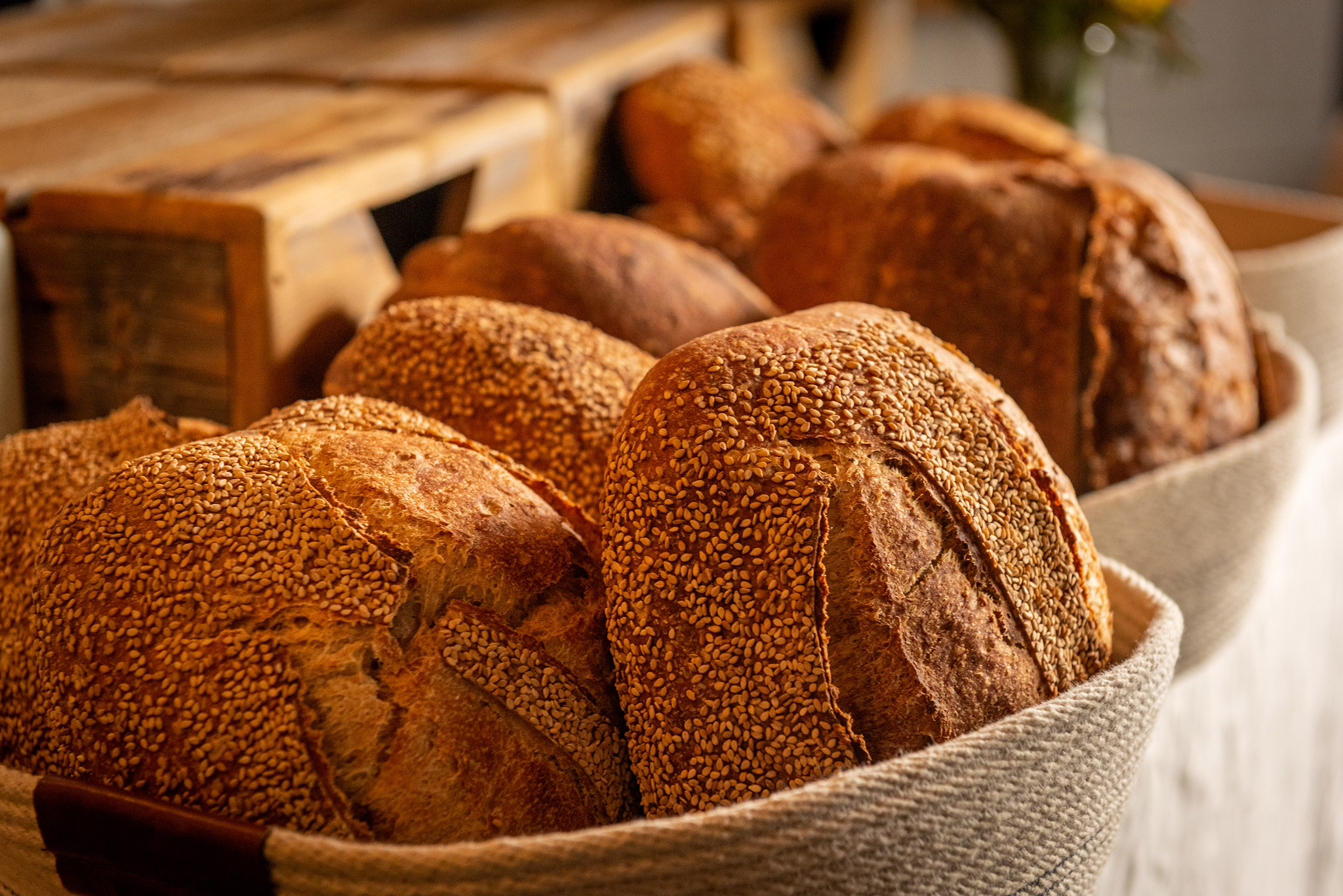
    Sourdough bread from a local baker not only tastes better but is also fresh and many times crafted with regional grains.

    If we can’t necessarily trust USDA organic, what else is there? Technology has attempted to bring agriculture indoors and make it a mechanical operation, synthesizing sun, water and dirt. But the results are a larger carbon footprint and less nutrient value.

    The local food movement is made up of people who choose foods that are grown or farmed in the area or region where they are sold and prepared. Initiated by the Agricultural Adjustment Act of 1933, local food initiatives are bolstering an alternative to the global food model and making it possible for small, sustainable farmers and producers to make a living and create a future for themselves, their families and our communities.

    Eating locally produced foods and choosing seasonal produce is not a new idea. It heralds back to a time when we didn’t even have the choice between eating the squash growing outside our door or the bananas growing in Mexico. Here in the Inland Northwest, we have a rich agricultural heritage. We live in the midst of mountains, forests, lakes, rivers, ancient glacial plains and a wealth of fertile soil. Idaho is the second largest hop producer in the U.S., and Washington produces about 64 percent of the nation’s apples.

    Eating local usually also means eating seasonal. Intermingling your diet choices with the changing sea-sons is an ancient practice rooted in Indian Ayurvedic tradition. Accord-ing to Ayurveda, cooking with foods produced by the land and the season that your body has already adapted to aids digestion, increases immunity, reduces seasonal allergies, provides more nutrient density and clears the mind.

    Finally, vegan and vegetarian diets have become increasingly popular as environmental diet choices over the last decade, particularly in light of statistics surrounding the livestock industry and increasing studies on the effect massive meat consumption has on our bodies.

    Practitioners like Dr. Joel Fuhrman, N.D. Michael Murray, Dr. Josh McDougall and Dr. T. Colin Campbell have presented a wealth of evidence that choosing a plant-based diet has the capacity to bring healing, both to us and to the planet. It increases our nutrient intake, brings relief to our organs and digestion, and reduces our environmental footprint.

    The next time you shop, consider browsing the fresh departments on the outskirts of the aisles before picking boxes and processed foods off the shelf. It may be less convenient to cook more from scratch and seek out new, different recipes, but I assure you, you will find new comfort foods and feel more confident and healthy because of it. N

    By S. Michal Bennett
    Photography By Joel Riner

    Share. Facebook Twitter Pinterest LinkedIn Tumblr Email

    Related Posts

    Wildfire and our forests

    Trees and Disposable Paper Goods

    Water Conservation in North Idaho

    Leave A Reply Cancel Reply

    Follow Us
    Facebook
    Instagram
    Pinterest
    Twitter
    YouTube
    Subscribe to Our Newsletter

    Spokane Indians

    Join the Nspire Magazine Adventures Group

    Pacific Northwest Events
    Popular Articles
    April 25, 202212

    Journey into Darkness – North Idaho’s Secret Cave

    May 2, 20165

    Cristopher Lucas

    September 19, 20204

    Chef Steve’s Pasta

    Subscribe to Nspire Magazine
    Nspire Magazine Office

    P: (208) 930-0114

    4020 N Huetter Rd
    Coeur d'Alene, ID 83814
    Office Hours: M-F, 8-5pm

    • Nspire News
    • Back Issues
    • Advertise With Us
    • Submissions
    • Meet the Team
    • Log In
    View Us On Instagram
    The Whistler Trail
.
"One of the first things to attract attention is a large arched window on the iconic stairwell projection, adjacent to the front door. It’s wrapped in stained shake and is designed to catch the eye and draw it upward. The entryway includes stone and wood pillars and a sitting area on the front porch. The landscaping also complements the natural tones."
.
Builder: Anthem Homes
.
By: Joe Butler
.
Photography by: @joelrinerphotography
    •
    Follow
    The Whistler Trail . "One of the first things to attract attention is a large arched window on the iconic stairwell projection, adjacent to the front door. It’s wrapped in stained shake and is designed to catch the eye and draw it upward. The entryway includes stone and wood pillars and a sitting area on the front porch. The landscaping also complements the natural tones." . Builder: Anthem Homes . By: Joe Butler . Photography by: @joelrinerphotography
    1 day ago
    View on Instagram |
    1/9
    Hiking in Switzerland
.
"The clouds parted on my last day in Urnäsch, and I was able to ride the Säntis cableway to 2,502 meters atop the mountain Säntis, where the views span six countries and reach Lake Constance (Bodensee)."
.
By: Denise Lundy
    •
    Follow
    Hiking in Switzerland . "The clouds parted on my last day in Urnäsch, and I was able to ride the Säntis cableway to 2,502 meters atop the mountain Säntis, where the views span six countries and reach Lake Constance (Bodensee)." . By: Denise Lundy
    2 days ago
    View on Instagram |
    2/9
    Apple Cider Whiskey Warmer
.
2 oz bourbon
1 oz Athol Orchards Apple Cider syrup
1 oz brewed Pu-erh black tea
Dash of orange bitters
1 cinnamon stick
1 dried or fresh orange wheel
.
By: @michalthewriter 
Photography by: @joelrinerphotography
    •
    Follow
    Apple Cider Whiskey Warmer . 2 oz bourbon 1 oz Athol Orchards Apple Cider syrup 1 oz brewed Pu-erh black tea Dash of orange bitters 1 cinnamon stick 1 dried or fresh orange wheel . By: @michalthewriter Photography by: @joelrinerphotography
    1 month ago
    View on Instagram |
    3/9
    Lewis River Trail #31
.
Where to celebrate after:
Around the campfire.
.
Photography by: @joelrinerphotography
    •
    Follow
    Lewis River Trail #31 . Where to celebrate after: Around the campfire. . Photography by: @joelrinerphotography
    1 month ago
    View on Instagram |
    4/9
    Charming Greenstone Farmhouse
.
"The home was featured in North Idaho Building Contractors Association’s Parade of Homes in 2024, where it received Hemlock awards for best kitchen, best interior, and best curb appeal."
.
Builder: @greenstone_homes 
.
By: Joe Butler
.
Photography by: @joelrinerphotography
    •
    Follow
    Charming Greenstone Farmhouse . "The home was featured in North Idaho Building Contractors Association’s Parade of Homes in 2024, where it received Hemlock awards for best kitchen, best interior, and best curb appeal." . Builder: @greenstone_homes . By: Joe Butler . Photography by: @joelrinerphotography
    1 month ago
    View on Instagram |
    5/9
    Finding the Fountain of Youth
.
"We were all lined up on the cat track looking over a small section of trees when Grollmus gave us the intel on this run. “Make your way through this small section of trees and then it opens wide up for about 400 yards. I’ll go first and radio back up to EJ once I get in position.”"
.
By: Bob Legasa
    •
    Follow
    Finding the Fountain of Youth . "We were all lined up on the cat track looking over a small section of trees when Grollmus gave us the intel on this run. “Make your way through this small section of trees and then it opens wide up for about 400 yards. I’ll go first and radio back up to EJ once I get in position.”" . By: Bob Legasa
    2 months ago
    View on Instagram |
    6/9
    Huckleberry Honey Cake
.
1/2 cup butter, softened
1/2 cup organic cane sugar
1/2 cup honey
3 eggs + 1 egg yolk, beaten
3/4 cup whole milk
1 1/2 cups + 1 tbsp masa harina corn flour, divided
2 tsp baking powder
1/8 tsp sea salt
1 cup frozen huckleberries (or sub wild blueberries)
1 cup heavy whipping cream
8 oz mascarpone cheese
1/4 cup powdered sugar
1 tsp lemon juice
1/4 tsp vanilla
.
By: @michalthewriter 
Photography by: @joelrinerphotography
    •
    Follow
    Huckleberry Honey Cake . 1/2 cup butter, softened 1/2 cup organic cane sugar 1/2 cup honey 3 eggs + 1 egg yolk, beaten 3/4 cup whole milk 1 1/2 cups + 1 tbsp masa harina corn flour, divided 2 tsp baking powder 1/8 tsp sea salt 1 cup frozen huckleberries (or sub wild blueberries) 1 cup heavy whipping cream 8 oz mascarpone cheese 1/4 cup powdered sugar 1 tsp lemon juice 1/4 tsp vanilla . By: @michalthewriter Photography by: @joelrinerphotography
    2 months ago
    View on Instagram |
    7/9
    Tamanawas Falls 
.
"After scrambling up through the crux of the hike, an impressive basalt talus field, hikers reach a crest and shortly thereafter are treated to the massive Tamanawas Falls pouring over a sharp edge and free-falling to the rocks below."
.
By: @cdcphotography88
    •
    Follow
    Tamanawas Falls . "After scrambling up through the crux of the hike, an impressive basalt talus field, hikers reach a crest and shortly thereafter are treated to the massive Tamanawas Falls pouring over a sharp edge and free-falling to the rocks below." . By: @cdcphotography88
    2 months ago
    View on Instagram |
    8/9
    Special Touches for 'Forever Home'
.
"The ensuite area includes dual sinks and illuminated mirrors as well as accent windows that provide natural light. It also features a spacious ‘wet room’ with an enclosed bathtub and shower. Johnson said the homeowners, in their 50s, wanted to make sure they would be able to age in place well, so the room was designed not to include any barriers or anything that could lead to mobility challenges in the future."
.
Bulider: @rosenbergerconstruction 
By: Joe Butler
Photography by: @joelrinerphotography
    •
    Follow
    Special Touches for 'Forever Home' . "The ensuite area includes dual sinks and illuminated mirrors as well as accent windows that provide natural light. It also features a spacious ‘wet room’ with an enclosed bathtub and shower. Johnson said the homeowners, in their 50s, wanted to make sure they would be able to age in place well, so the room was designed not to include any barriers or anything that could lead to mobility challenges in the future." . Bulider: @rosenbergerconstruction By: Joe Butler Photography by: @joelrinerphotography
    2 months ago
    View on Instagram |
    9/9
    Copyright © 2025 Nspire Magazine.

    Type above and press Enter to search. Press Esc to cancel.